Diabetic foot ulcer is an open wound that develops on the foot due to diabetes-related nerve damage and impaired circulation and may have difficulty healing on its own. It is generally seen in people who have had diabetes for many years. With appropriate wound care, infection control, and assessment of circulation at an early stage, progression of the wound may be slowed and the risk of limb loss may be reduced.
What Is a Diabetic Foot Ulcer?
A diabetic foot ulcer is tissue loss that develops on the sole of the foot, toes, heel, or around the ankle as a result of damage to the nerves and blood vessels caused by long-term high blood sugar. A small scratch that might close within a few days in a healthy person can remain open for weeks or even months in a patient with diabetes.
One of the most important features of these wounds is that they often begin without pain. Because of nerve damage, the patient may not notice a stone inside the shoe, a pressure point caused by tight footwear, or a blister that has formed. By the time the wound is first noticed, it has often deepened and may sometimes be infected. This group accounts for a significant proportion of patients presenting to wound care clinics.
Diabetic foot is not a single disease; it is a multifactorial condition in which neuropathy, impaired circulation, and infection may progress together. Therefore, treatment is planned not as a single intervention, but by addressing all three components at the same time.
Why Does a Diabetic Foot Ulcer Develop?
Three main mechanisms that reinforce one another contribute to the development of the wound.
Nerve Damage (Diabetic Neuropathy)
Over time, high blood sugar damages the sensory nerves in the foot. The patient may have difficulty sensing heat, cold, pressure, and pain. Loss of protective sensation can cause minor injuries to the foot to go unnoticed. Nerve damage may also disrupt the balance of the foot muscles, leading to toe deformities and the development of new pressure points.
Circulatory Impairment (Peripheral Arterial Disease)
Diabetes increases the risk of narrowing and blockage in the arteries of the legs. Oxygen, nutrients, and antibiotics needed for wound healing may not reach the wound adequately. Even meticulous wound care may fail to produce the expected result in a foot with poor circulation. For this reason, evaluation of the vascular structure is an integral part of every diabetic foot ulcer assessment.
Infection
An open wound provides a favorable environment for bacteria. Because the immune response may also be weakened in patients with diabetes, infection can spread to deep tissues, tendons, and bone. Infection that reaches the bone (osteomyelitis) can make treatment considerably more difficult.
What Are the Symptoms of a Diabetic Foot Ulcer?
If any of the following findings are noticed, prompt medical evaluation is recommended:
- A scratch, crack, blister, or open wound on the foot that does not heal
- Redness, increased warmth, and swelling around the wound
- Foul-smelling or discolored drainage
- Numbness, tingling, burning, or loss of sensation in the foot
- Darkening, bluish discoloration, or paleness of the foot
- Inflammation around the nail or a dark area beneath a callus
- Calf pain that occurs while walking and improves with rest
- Fever, fatigue, or an unexplained rise in blood sugar
Dark areas beneath a callus are often overlooked, although this appearance may indicate an underlying wound.
Who Is at Higher Risk?
- People who have had diabetes for more than ten years
- Patients whose blood sugar is not consistently controlled
- People who have previously had a foot ulcer or foot surgery
- People who smoke
- Patients with kidney failure who are receiving dialysis
- People with foot deformities, calluses, or ingrown toenails
- People who cannot inspect their feet because of visual problems or limited mobility
How Is a Diabetic Foot Ulcer Diagnosed?
Assessment begins with a detailed examination. The depth and width of the wound, the characteristics of the wound bed, and whether it extends to a tendon or bone are evaluated. Sensation, pulses, and circulation in the foot are then assessed.
When necessary, the following tests may be used:
- Doppler ultrasonography: To assess narrowing and blockages in the leg arteries
- Ankle-brachial index (ABI): A practical measurement of circulation
- CT angiography or angiography: Detailed imaging of the vascular anatomy
- Wound culture: To identify the causative microorganism and the appropriate antibiotic
- Plain X-ray and MRI: To investigate bone involvement
- Blood tests: HbA1c, infection markers, and kidney function
An accurate diagnosis determines the direction of treatment. Treating a wound with poor circulation only with dressings, or performing unnecessary interventions on a wound with adequate circulation, are common mistakes that may prolong the treatment process.
How Is a Diabetic Foot Ulcer Treated?
Treatment is planned individually. The stage of the wound, circulatory status, depth of infection, and the patient’s overall health are evaluated together.
Wound Care and Debridement
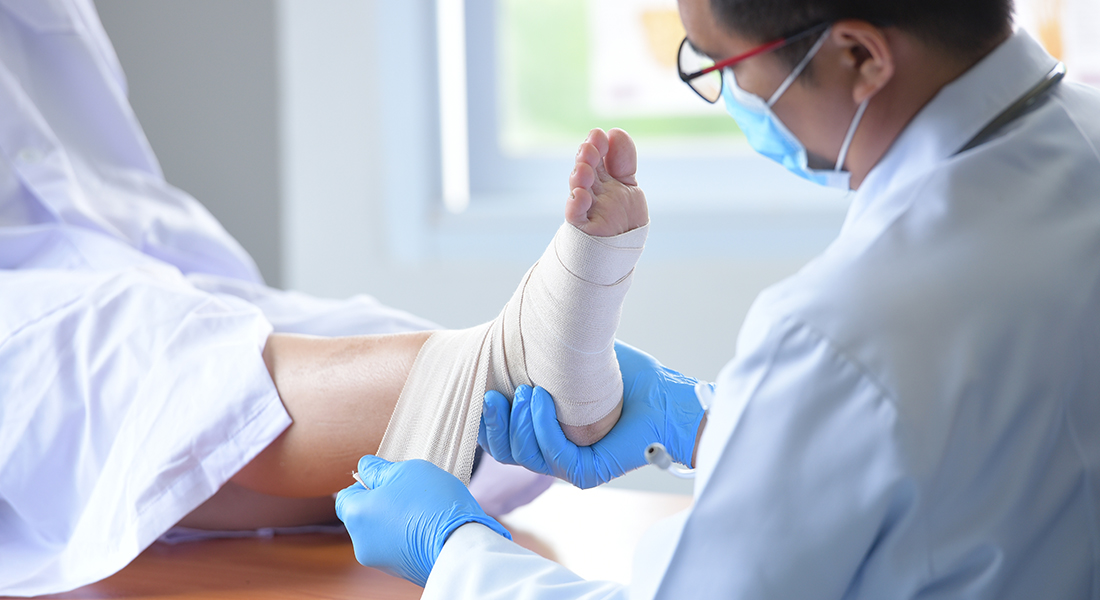
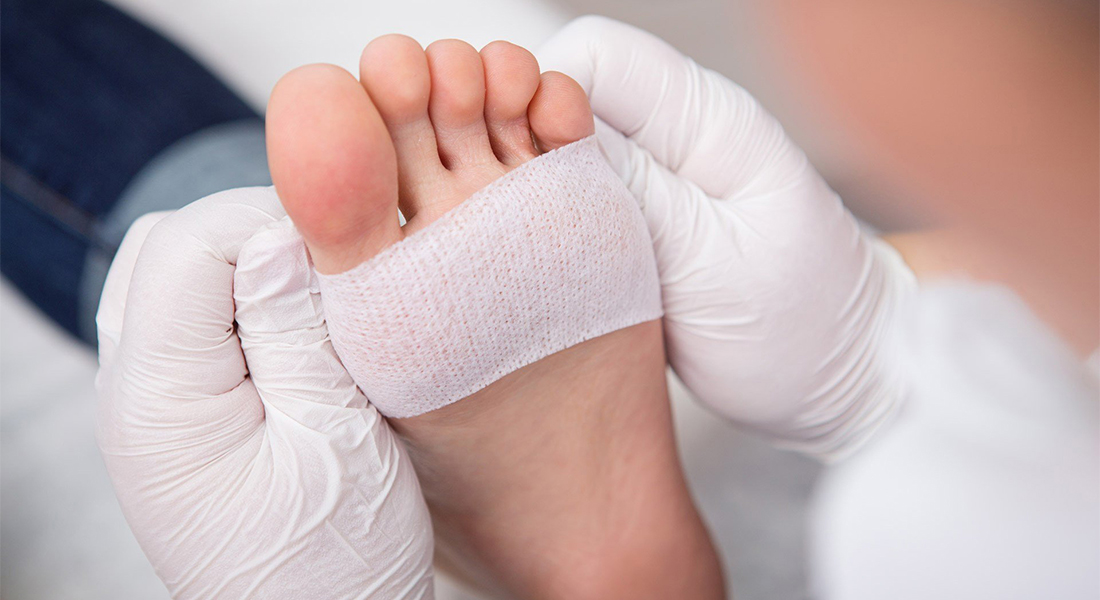
Removal of dead tissue, callus, and infected tissue that interferes with healing is a fundamental part of treatment. Debridement may be repeated at regular intervals. Depending on the characteristics of the wound, moist wound dressings, silver-containing products, or absorbent dressing materials may be preferred.
Pressure Offloading
Relieving pressure from the area where the wound is located is often just as important as the dressing itself. The pressure point may be protected with special insoles, offloading footwear, or cast-like applications. If this step is omitted, the wound may repeatedly reopen.
Controlling Infection
Appropriate antibiotic therapy is selected according to culture results. Deep or extensive infections may require intravenous treatment and surgical cleaning in a hospital setting.
Improving Circulation
In patients with vascular blockage, balloon angioplasty and stent procedures or bypass surgery may be considered. Restoring circulation is one of the steps that directly affects the wound’s chance of healing.
Advanced Wound Treatments
For wounds that do not respond adequately to standard approaches, additional methods may be considered in suitable patients:
- Negative pressure wound therapy (VAC): To help clean the wound bed and support tissue perfusion
- PRP and PRF applications: Delivery of healing factors obtained from the patient’s own blood to the wound
- Stem cell and exosome applications: To support tissue regeneration
- Amniotic membrane and tissue equivalents: Covering the wound surface with a biological dressing
- Maggot therapy: Biological removal of dead tissue in selected cases
- Skin grafting: Closure of large wounds after the wound has been cleaned and circulation has been improved
These methods are not suitable for every patient. The preferred treatment is determined by evaluating the condition of the wound and the patient’s overall health status.
Can the Risk of Amputation Be Reduced?
The greatest concern in diabetic foot ulcers is limb loss. Early presentation, timely assessment of circulation, control of infection, and regular follow-up can help reduce this risk. However, the outcome varies from person to person according to the stage of the wound, circulatory status, and adherence to treatment. For this reason, it would not be appropriate to promise a definite result or guarantee with any approach.
Preventing Diabetic Foot Ulcers
- Inspect your feet every day, including the soles and between the toes, using a mirror if necessary
- Do not neglect regular blood sugar monitoring
- Wash your feet with lukewarm water and dry them thoroughly; do not leave the spaces between the toes damp
- Do not walk barefoot, and check the inside of your shoes before putting them on
- Avoid tight, rigid shoes or footwear with inward-facing seams
- Cut your toenails straight across and do not attempt to treat calluses yourself
- Stop smoking; smoking has a negative effect on circulation in the feet
- Have regular foot examinations even if you have no symptoms
Specialist Evaluation in Diabetic Foot Ulcer Treatment
Treating diabetic foot ulcers requires wound care and vascular surgery expertise to be managed together. Prof. Dr. Emre Özker evaluates and follows patients with diabetic foot ulcers, venous ulcers, ischemic wounds, lymphedema, and lipedema.
During the assessment process, the wound is not evaluated only from the surface; circulation, sensation, infection, and the patient’s overall health are considered as a whole. The treatment plan is discussed and created together with the patient, and the proposed methods and expected course are explained in detail. Patients with diabetes who notice a wound on the foot that is not healing are advised to seek evaluation without delay, even if the wound appears small.
Frequently Asked Questions
How long does a diabetic foot ulcer take to heal?
Healing time varies according to the depth of the wound, circulatory status, and whether infection is present. Superficial wounds with adequate circulation may close within a few weeks, while deep wounds or wounds accompanied by circulatory problems may take months to heal.
Does a diabetic foot ulcer hurt?
Because of nerve damage, the wound is painless in many patients. The absence of pain does not mean that the wound is mild; on the contrary, it may delay detection and therefore carries additional risk.
Is dressing the wound at home enough?
Home care is part of treatment, but it is not sufficient on its own. Removal of dead tissue, evaluation of circulation, and selection of the correct dressing material should be planned under medical supervision.
Can the wound reopen after it has closed?
Yes. Diabetic foot ulcers can recur. For this reason, appropriate footwear, regular foot care, and periodic check-ups should continue even after the wound has closed.
When should I seek urgent medical attention?
Prompt evaluation is required if fever, rapidly spreading redness and swelling around the wound, foul-smelling drainage, sudden color change in the foot, or severe pain develops.
Can a wound still develop if my blood sugar is well controlled?
Good blood sugar control reduces the risk but does not eliminate it completely. Regular foot examinations should not be neglected, particularly in people who have had diabetes for many years.