Buerger disease is a vascular disorder closely associated with tobacco use in which small and medium-sized blood vessels in the hands and feet become inflamed and blocked. It is most commonly seen in younger men. It may present with severe pain, color changes in the fingers or toes, and wounds that do not heal.
What Is Buerger Disease?
Buerger disease, known medically as thromboangiitis obliterans, progresses with inflammation and clot formation in the vessels that supply the distal parts of the arms and legs. Unlike atherosclerosis, the primary process is not fatty plaque accumulation in the vessel wall but inflammation. The inflammation obstructs the vessel lumen and significantly reduces blood flow to the fingers and toes.
The disease typically occurs in people under the age of 45 who smoke heavily or use other tobacco products. More than one limb may be affected, often in an asymmetrical pattern. Both the hands and feet can be involved.
Symptoms of Buerger Disease
- Pain in the sole of the foot and calf while walking
- Hand and foot pain at rest, particularly pain that becomes worse at night
- Coldness, numbness, and tingling in the fingers or toes
- Whitening followed by bluish discoloration of the fingers or toes when exposed to cold (a Raynaud-like pattern)
- Small but very painful ulcers on the fingertips, toes, or around the nails
- Migrating painful, hardened areas along superficial veins
- Weak pulses in the hands and feet
A small wound on a fingertip or toe that is unusually painful and remains open for weeks is an important warning sign for this disease.
Why Do Wounds Develop in Buerger Disease?
When the vessels supplying the fingers and toes become blocked, the tissues cannot receive enough oxygen. Color changes may develop first, followed by tissue loss and an open wound. Although the wounds may be small, they can be extremely painful and tend not to heal spontaneously.
The exact cause of the disease is not fully understood, but its association with tobacco use is very strong. As long as smoking continues, the disease tends to progress; after tobacco is stopped completely, progression may slow considerably.
Risk Factors
- Use of cigarettes, pipes, hookah, or chewing tobacco
- Young adult age group
- Male sex, although the disease can also occur in women
- Genetic susceptibility
- An association with chronic gum infections has been reported
How Is It Diagnosed?
There is no single definitive test for Buerger disease. Diagnosis is made by evaluating the clinical findings and distinguishing the condition from other vascular disorders:
- Detailed history and examination: Evaluation of age, tobacco use, and the pattern of involvement
- Doppler ultrasonography: Assessment of blood flow in distal vessels
- Angiography: Demonstration of characteristic vascular findings
- Blood tests: Exclusion of other causes using glucose, cholesterol, rheumatologic, and coagulation tests
- Echocardiography: Evaluation for the possibility of a clot originating from the heart
Atherosclerosis, vasculitis, cardiac emboli, and connective tissue diseases should always be considered in the differential diagnosis.
Treatment of Buerger Disease
Complete Cessation of Tobacco Use
This is the most important step in treatment, and no medication or procedure can replace it. Even small amounts of tobacco use may negatively affect the course of the disease. Support programs are recommended during the quitting process.
Pain Management
Rest pain is often one of the most difficult symptoms for patients. Appropriate pain treatment is planned, and additional methods such as nerve blocks may be considered in selected patients.
Medication Treatment
Vasodilator medications, drugs intended to reduce clot formation, and prostaglandin-derived treatments may be considered in some cases. Treatment is selected according to the patient’s clinical condition.
Wound Care
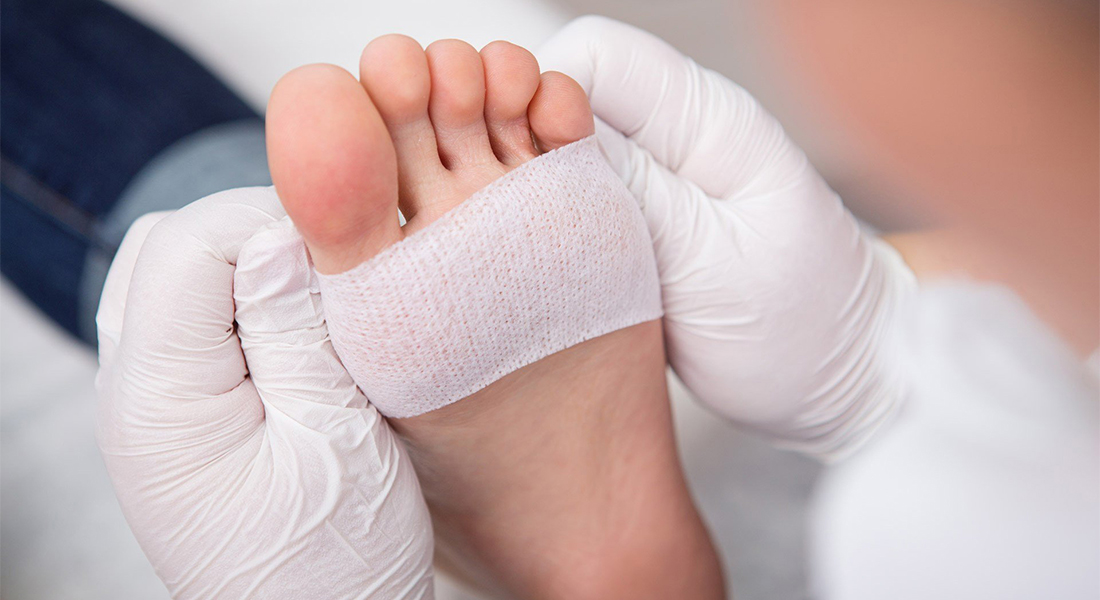
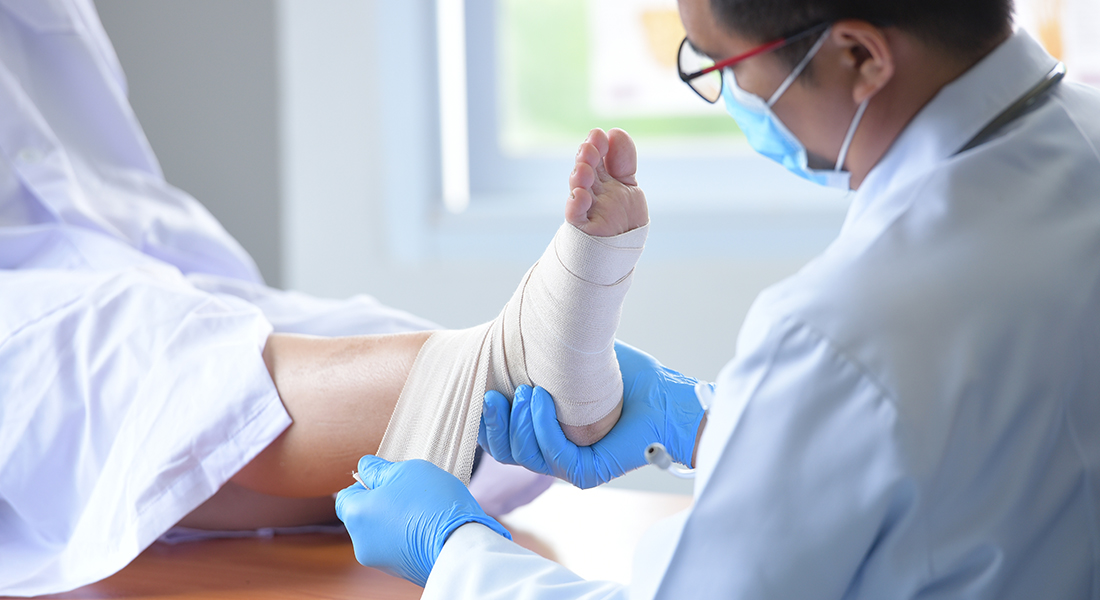
Wounds on the fingertips and toes are cleaned gently, protected from trauma, and covered with non-adherent dressings. Development of infection is monitored closely, and antibiotics are prescribed according to culture results when necessary.
Interventional and Surgical Approaches
Because the disease generally affects very small vessels, conventional bypass and stent procedures are technically unsuitable for many patients. In selected cases, procedures such as sympathectomy may be considered for pain control. Limited surgery may be required in patients with advanced tissue loss.
Course of the Disease
Buerger disease may follow a course with periods of flare and relative stability. When tobacco use is stopped completely, symptoms may improve in many patients; when tobacco use continues, the risk of tissue loss increases. The course varies from person to person, so it is not appropriate to make a definite prediction regarding treatment outcome.
Daily Life Recommendations
- Protect your hands and feet from cold; use gloves and thick socks
- Avoid tight shoes and socks or other clothing that may restrict circulation
- Protect your fingers and toes from trauma and trim nails carefully
- Try to avoid environments where people are smoking
- Seek evaluation promptly if even a small wound or color change develops
- Pay close attention to oral and dental health
Specialist Evaluation of Buerger-Related Wounds
The most critical points in Buerger disease are recognizing the condition early and stopping tobacco use. Prof. Dr. Emre Özker prioritizes differential diagnosis in non-healing hand and foot wounds that occur at a young age and are associated with severe pain, and combines circulatory assessment with wound follow-up.
Criteria Considered in Diagnosis
Certain clinical criteria are evaluated together when diagnosing Buerger disease. These commonly include:
- Onset before the age of 45
- A history of tobacco use
- Circulatory impairment in the distal parts of the arms or legs
- Exclusion of other causes such as diabetes, high cholesterol, and advanced atherosclerosis
- Evaluation for possible cardiac sources of emboli
- Investigation for rheumatologic diseases
The presence of these findings together supports the diagnosis. Because no single test is sufficient, the assessment must be comprehensive.
What Is Considered in the Differential Diagnosis?
When circulation problems develop in the hands and feet at a young age, Buerger disease is not the only possible cause. Other considerations include early-onset atherosclerosis, connective tissue diseases, vasculitis, emboli originating from the heart, and inherited conditions that increase the tendency to form blood clots.
This distinction is important because treatment approaches differ. For example, immunosuppressive treatment may be central in vasculitis, whereas complete tobacco cessation is the key intervention in Buerger disease.
Support During Smoking Cessation
Stopping tobacco use is at the center of treatment for this disease, but it can be difficult for many patients. For this reason, the process should not be left solely to willpower, and professional support is recommended.
Smoking cessation clinics, behavioral support programs, and, when appropriate, medication prescribed under medical supervision can help make the process easier. Decisions regarding products that contain nicotine should take the course of the disease into account.
A common question is whether smoking only a small amount is still harmful. Available evidence indicates that even low levels of tobacco use may negatively affect the course of the disease.
Follow-up and Monitoring
Follow-up in Buerger disease includes monitoring both symptoms and the development of new lesions. During visits, the course of fingertip and toe wounds, pain severity, walking distance, and current tobacco use are assessed.
Because the disease can have periods of flare, follow-up may become more frequent when symptoms increase. If a new wound, color change, or marked increase in pain develops, patients are advised to seek evaluation without waiting for the next scheduled appointment.
Approaches That Support Quality of Life
- Maintaining regular and adequate pain treatment
- Protecting sleep quality and routine
- Performing meticulous hand and foot care
- Planning physical therapy and exercise programs according to medical advice
- Seeking psychological support when needed
Frequently Asked Questions
Will the disease go away if I stop smoking?
Complete cessation of tobacco use is the most effective step for stopping progression of the disease, and symptoms may improve in many patients. However, vascular damage that has already occurred may not fully reverse.
Can I use electronic cigarettes or nicotine patches?
Products containing nicotine may negatively affect the course of the disease. The method used for smoking cessation should be selected together with your physician.
Is Buerger disease the same as atherosclerosis?
No. In atherosclerosis, fatty and calcified deposits accumulate in the vessel wall, whereas Buerger disease involves an inflammatory process and clot formation. The size of the affected vessels and the typical patient profile also differ.
Can a stent or bypass be performed?
Because the disease usually affects very small vessels, these procedures are generally not suitable. Treatment primarily focuses on tobacco cessation, medication, and wound care.
Why are my wounds so painful?
Severely reduced blood flow to the tissue causes both tissue injury and stimulation of nerve endings. For this reason, even small wounds can cause intense pain.
Is Buerger disease hereditary?
It is not directly inherited. However, some individuals may have a genetic susceptibility. Tobacco use remains the major determining factor.
Can women develop Buerger disease?
Yes, although it is less common in women than in men. Changes in diagnosis rates have been reported as tobacco use among women has increased.
Can the disease affect the arms?
Yes. Buerger disease can affect both the upper and lower limbs. Coldness, color changes, and wounds on the fingertips may also occur in the hands.
What happens if the disease progresses?
If tobacco use continues, the risk of tissue loss and amputation at the finger or toe level increases. When tobacco use is stopped, progression slows in many patients. Because the course varies from person to person, a definite prediction cannot be made.
Why do my symptoms get worse in cold weather?
Cold causes small blood vessels to constrict and can further reduce already limited blood flow. For this reason, protecting the hands and feet from cold is recommended.