Lymphedema is persistent swelling of an arm or leg caused by the accumulation of lymphatic fluid in the tissues. It develops when the lymphatic vessels are congenitally underdeveloped or become damaged later in life. When treatment is started early, compression therapy, lymphatic drainage and regular skin care can help keep the swelling under control.
What Is Lymphedema?
The lymphatic system is a network of fine vessels that collects excess fluid and protein molecules from the tissues and returns them to the circulation. It is also an important part of the immune system. When this system becomes blocked or insufficient, fluid accumulates in the tissues and swelling develops.
Unlike simple edema, the fluid that accumulates in lymphedema is rich in protein. Over time, an inflammatory process develops in the tissues, fat tissue increases and the skin thickens. For this reason, lymphedema may be reversible in its early stages, whereas advanced disease can lead to permanent tissue changes.
Types of Lymphedema
- Primary lymphedema: Caused by congenital underdevelopment of the lymphatic vessels; it may appear at birth, during adolescence or in adulthood
- Secondary lymphedema: Develops after the lymphatic system is damaged and is more common
The main causes of secondary lymphedema include removal of lymph nodes during cancer surgery, radiotherapy, recurrent infections, severe trauma and parasitic diseases seen in certain regions. Lymphedema of the arm after breast cancer treatment is one of the most common examples.
Symptoms of Lymphedema
- Progressively increasing swelling in an arm or leg
- A feeling of heaviness, tightness and fullness in the limb
- Rings, watches or shoes beginning to feel tight
- Thickening and hardening of the skin
- Restricted joint movement
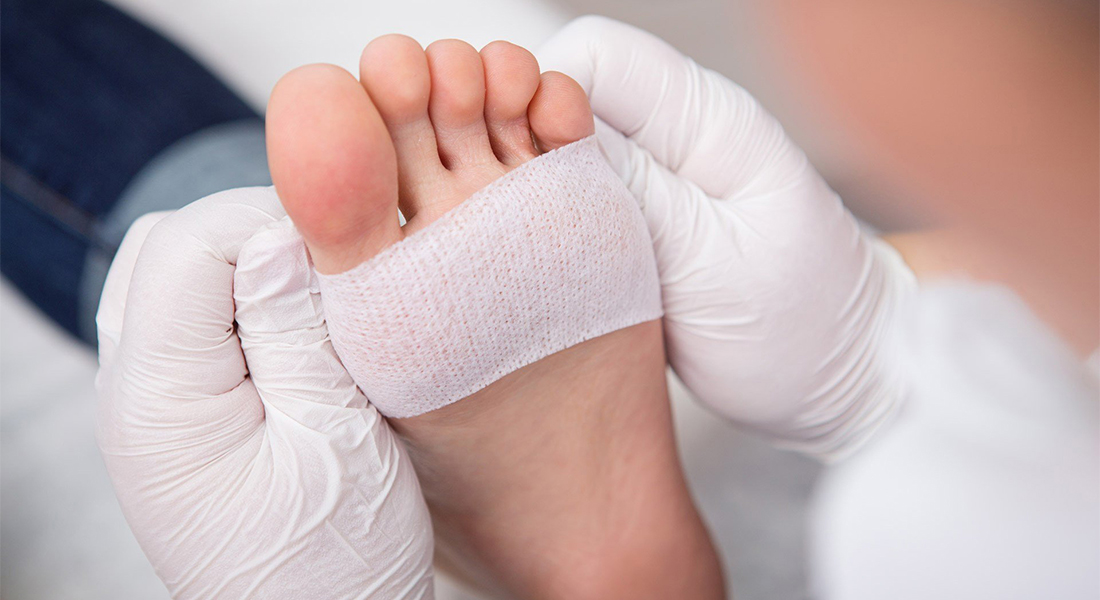
- Inability to pinch and lift the skin at the base of a toe (Stemmer sign)
- Recurrent skin infections
- Leakage of fluid through the skin in long-standing cases
In the early stages, swelling may increase during the day and decrease after overnight rest. Over time, this fluctuation disappears and the swelling becomes persistent.
Stages of Lymphedema
- Stage 0: The lymphatic system is damaged but there is no visible swelling; a feeling of heaviness may be present
- Stage 1: Swelling is present, leaves an indentation when pressed and decreases when the limb is elevated
- Stage 2: Swelling is persistent, the tissue begins to harden and elevation no longer reduces it
- Stage 3: Marked enlargement of the limb, skin thickening, wart-like changes and recurrent infections may occur
The earlier treatment is started, the easier it is to control swelling. Diagnosis during stages 0 and 1 is therefore particularly important.
How Is Lymphedema Diagnosed?
- Medical history and examination: Evaluation of previous surgery, radiotherapy and infections
- Circumference measurements: Determining the difference in volume between the two limbs
- Doppler ultrasonography: Excluding edema caused by venous disease
- Lymphoscintigraphy: Imaging used to evaluate lymphatic flow
- Indocyanine green lymphography: Detailed mapping of lymphatic pathways
- Blood tests: Distinguishing edema caused by heart, kidney, liver or thyroid disease
Lymphedema Treatment
The mainstay of treatment is a comprehensive approach known as complete decongestive therapy. This approach consists of four complementary components.
Manual Lymphatic Drainage
This is a very gentle massage technique performed by specially trained therapists. Its purpose is to direct accumulated lymphatic fluid toward functioning lymphatic pathways. Deep or forceful massage is not appropriate for these patients.
Bandaging and Compression Therapy
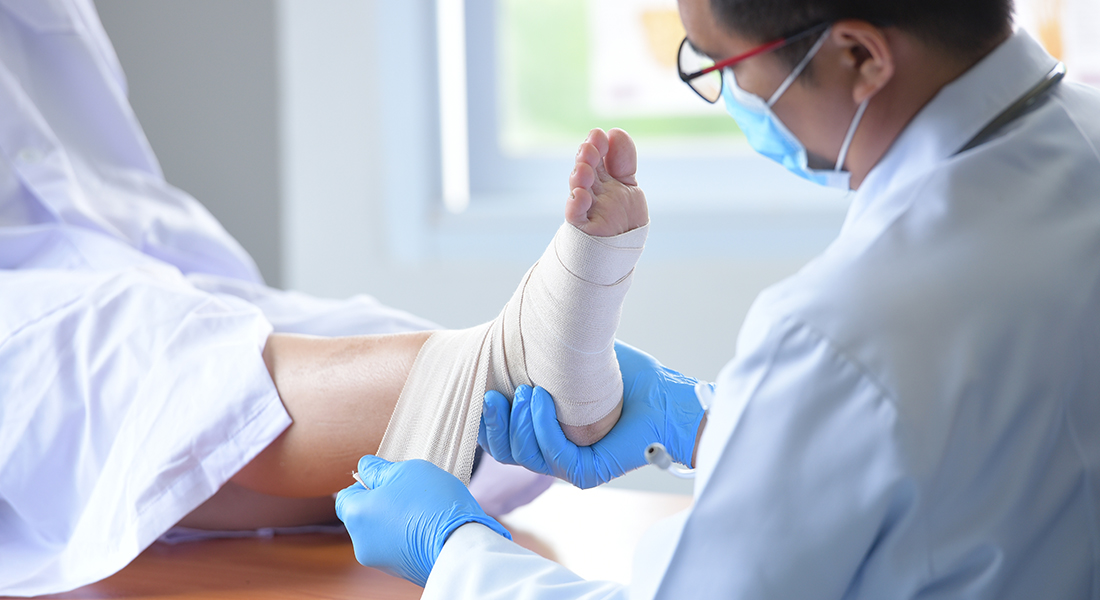
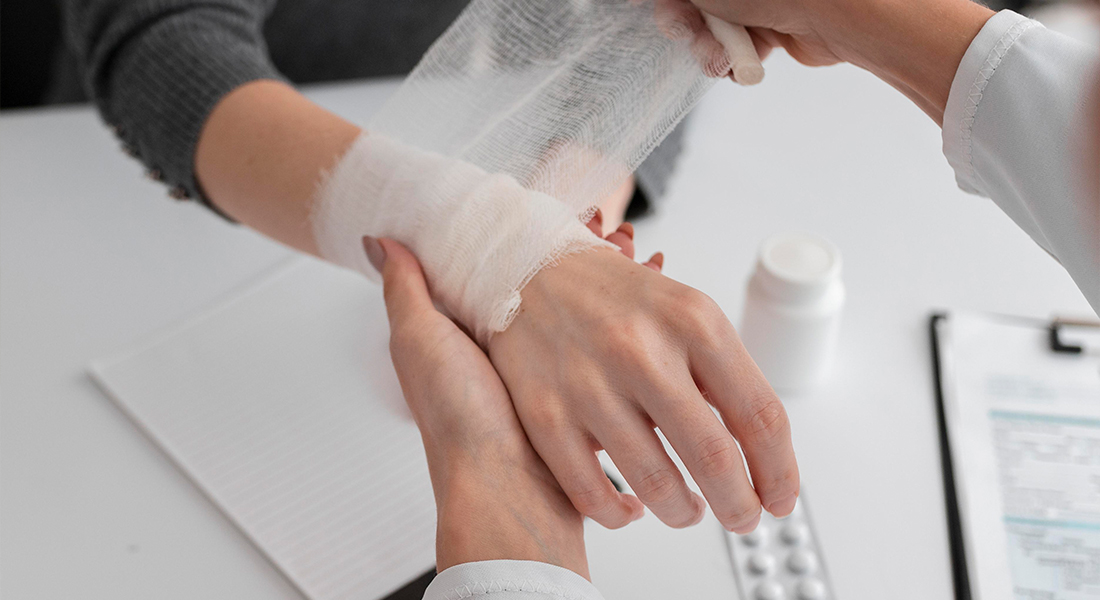
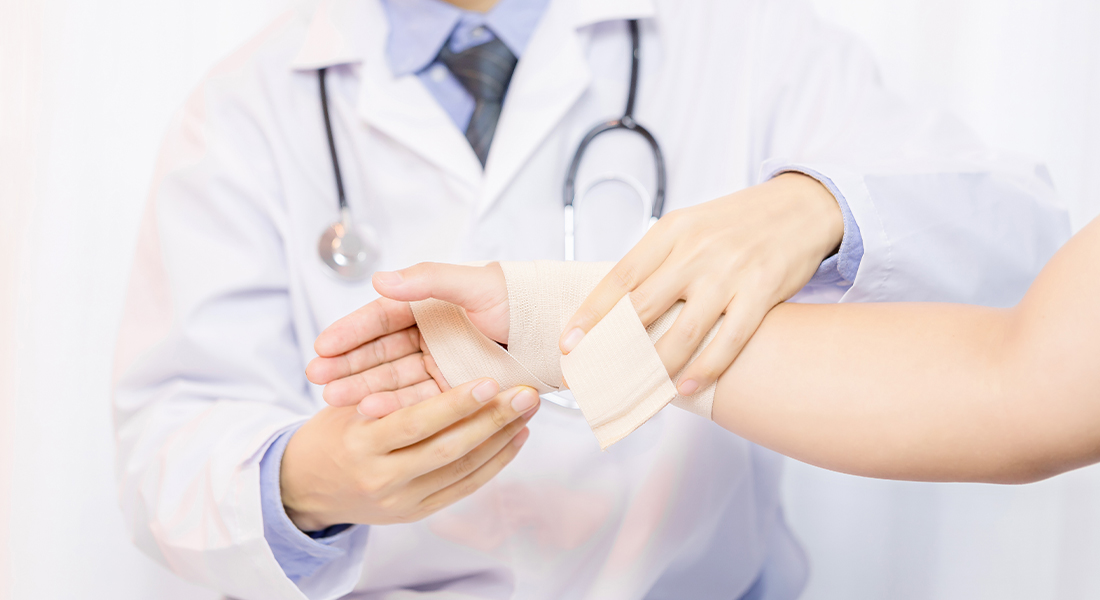
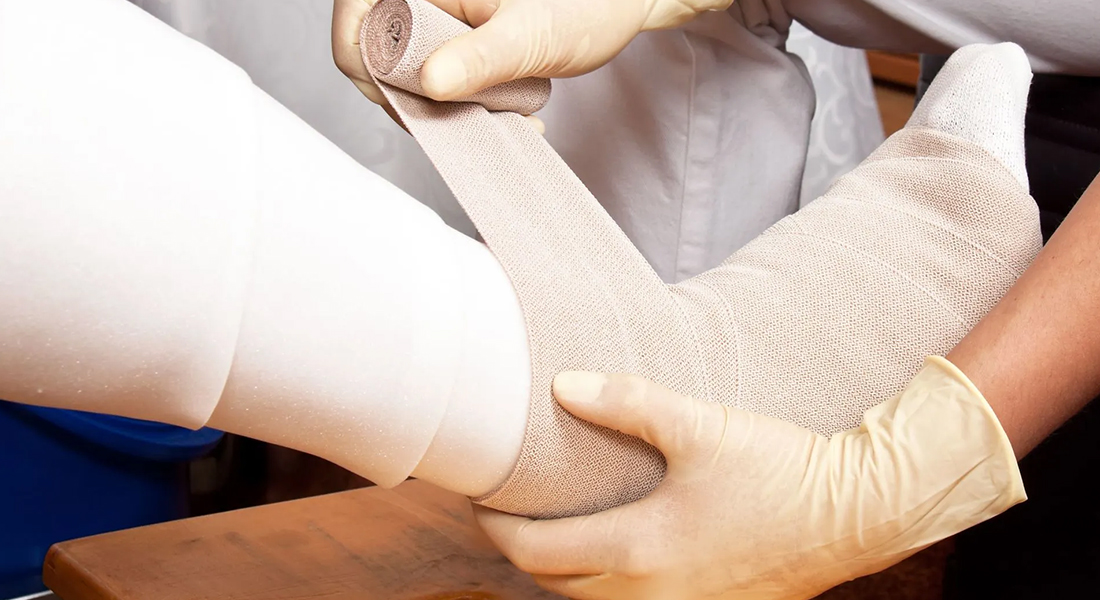
Multilayer bandaging systems are used during the intensive treatment phase. Once swelling has decreased, custom-fitted compression garments are introduced. Compression therapy is essential for maintaining the improvement achieved.
Exercise
Controlled exercises performed while wearing compression garments activate the muscle pump and support lymphatic flow. The exercise program is planned according to the patient’s condition.
Skin Care
The risk of infection is increased in a limb affected by lymphedema. Moisturizing the skin, preventing cracks and promptly treating small wounds are important for reducing recurrent infections.
Surgical Treatments
Surgical options may be considered in selected patients who do not respond adequately to conservative treatment. Lymphovenous anastomosis can connect lymphatic vessels to veins, while lymph node transfer can move healthy lymphatic tissue from another area. In advanced stages with marked fat accumulation, liposuction may be considered. Compression therapy generally needs to continue after surgery as well.
Preventing Infections
A skin infection known as cellulitis is common in patients with lymphedema, and each episode can cause additional damage to the lymphatic system. To reduce the risk:
- Moisturize and inspect your skin every day
- Do not ignore cuts, scratches or insect bites
- Ask your physician whether blood draws and blood pressure measurements should be avoided on the affected arm
- Avoid tight jewelry and restrictive clothing
- Take care when trimming nails and do not cut the cuticles
- Seek medical attention promptly if sudden redness, warmth or fever develops
Specialist Evaluation in Lymphedema Treatment
Lymphedema is a long-term condition that requires regular follow-up and active patient participation. Prof. Dr. Emre Özker prioritizes identifying the underlying cause of swelling and planning an appropriate treatment program for each patient. Response to treatment varies according to the stage of disease, how long it has been present and adherence to compression therapy.
Distinguishing Lymphedema from Other Causes of Edema
Swelling in an arm or leg does not always mean lymphedema. Heart failure, kidney disease, liver disorders, thyroid disease and some medications can also cause edema. In these conditions, swelling is usually bilateral, soft and leaves a noticeable indentation when pressed.
With venous edema, swelling typically increases toward the end of the day, improves when the leg is elevated and is often accompanied by varicose veins. Lymphedema, in contrast, is commonly unilateral, may involve the top of the foot, gradually causes tissue hardening and can make it difficult to pinch and lift the skin at the base of a toe.
Correctly distinguishing these conditions determines the direction of treatment. For example, diuretics may be appropriate for edema caused by heart disease, whereas they are generally not an appropriate treatment for lymphedema.
Intensive and Maintenance Phases of Treatment
Lymphedema treatment is carried out in two phases. During the intensive phase, the goal is to reduce accumulated fluid and decrease limb volume. Manual lymphatic drainage and multilayer bandaging are performed at frequent intervals. The duration of this phase varies according to the patient’s condition.
During the maintenance phase, the goal is to preserve the improvement achieved. Custom-fitted compression garments, regular exercise and skin care become the main components of treatment. The maintenance phase is continuous; if treatment is stopped, swelling is likely to return.
It is important to explain these two phases to the patient from the beginning. The long-term success of the improvement achieved during the intensive phase depends on adherence to maintenance treatment.
What Should Be Done During a Cellulitis Attack?
A skin infection that develops in a limb affected by lymphedema requires prompt treatment and can cause additional damage to the lymphatic system. Sudden redness, increased warmth, pain and fever are typical findings.
In this situation, drainage and bandaging are temporarily stopped, appropriate antibiotic treatment is started and the limb is rested. Preventive strategies may be considered by the physician in patients with recurrent episodes. Because each episode can lead to a lasting increase in swelling, preventing infection is one of the most important parts of treatment.
Travel and Daily Life
- Wear your compression garment during long journeys and move at regular intervals
- Avoid carrying heavy bags with the affected limb
- Moisturize your skin before and during travel
- Keep in mind that swelling may increase in hot climates
- Carry a spare compression garment and skin-care product
- Take precautions against cuts and insect bites
- Find out in advance how to access healthcare services at your destination
Measurement and Follow-Up in Lymphedema
The effectiveness of treatment is monitored objectively with regular measurements. The most common method is measuring limb circumference at predetermined points. These measurements are repeated at the same points and under similar conditions at each follow-up visit.
In addition to measurement results, changes in daily life are assessed, including how clothing fits, the feeling of heaviness in the limb, range of joint motion and frequency of infection episodes. Even when there is no major reduction in swelling, a period without recurrent infections can itself be considered a positive outcome.
Frequently Asked Questions
Can lymphedema go away completely?
Lymphedema generally requires long-term follow-up. In the early stages, swelling can often be controlled to a large extent, but ongoing treatment is usually necessary.
How long should I wear a compression garment?
Compression garments are generally worn throughout the day and need to be replaced at regular intervals. The recommended duration of use should be determined by your physician.
Can I exercise with an arm affected by lymphedema?
Yes. Controlled exercise that is increased gradually can be beneficial. The program should preferably be performed with the compression garment and planned according to medical advice.
Why does swelling increase in the evening?
During the day, gravity and inactivity increase fluid accumulation. This fluctuation is more noticeable in the early stages; as the condition progresses, swelling may become persistent.
Do medications that reduce edema work?
Diuretics are generally not appropriate for lymphedema and may increase protein concentration in the tissues. Treatment is based primarily on compression and drainage; medication should be used only when medically indicated.
Can lymphedema turn into cancer?
Lymphedema is not cancer and does not turn into cancer. A very rare malignancy has been reported in long-standing, untreated, advanced cases, which is another reason regular follow-up is important.
Can I have a massage?
Conventional deep massage is not appropriate for a limb affected by lymphedema. The recommended technique is very gentle manual lymphatic drainage performed by trained professionals.