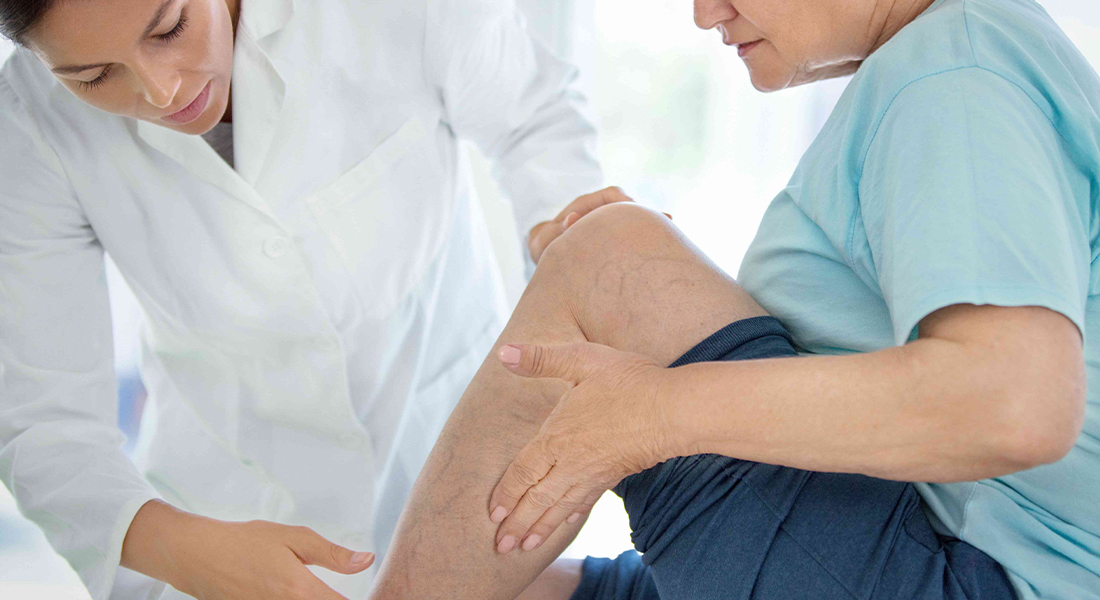
Venous diseases are conditions that develop when the veins that carry deoxygenated blood from the tissues back to the heart develop valve insufficiency, dilation, or blood clots. Varicose veins, chronic venous insufficiency, and deep vein thrombosis are among the most common conditions in this group. Leg swelling, heaviness, and skin discoloration are typical findings.
How Do Veins Work?
The veins in the legs must carry blood upward against gravity. Two mechanisms support this task: one-way valves inside the veins and the calf muscles that work while walking. With each step, the calf muscles compress the veins and push blood upward, while the valves prevent backward flow.
When the valves become insufficient, blood pools in the legs, pressure inside the veins rises, and the veins enlarge. Over time, this process can progress to skin changes and even open wounds.
Types of Venous Disease
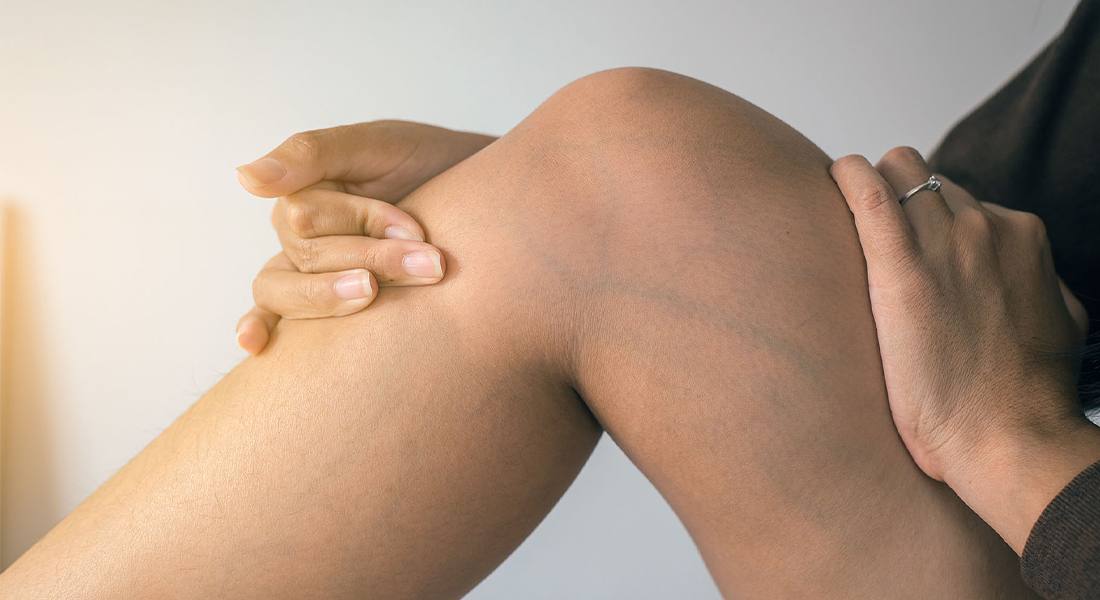
- Varicose veins: Enlargement and tortuosity of superficial veins
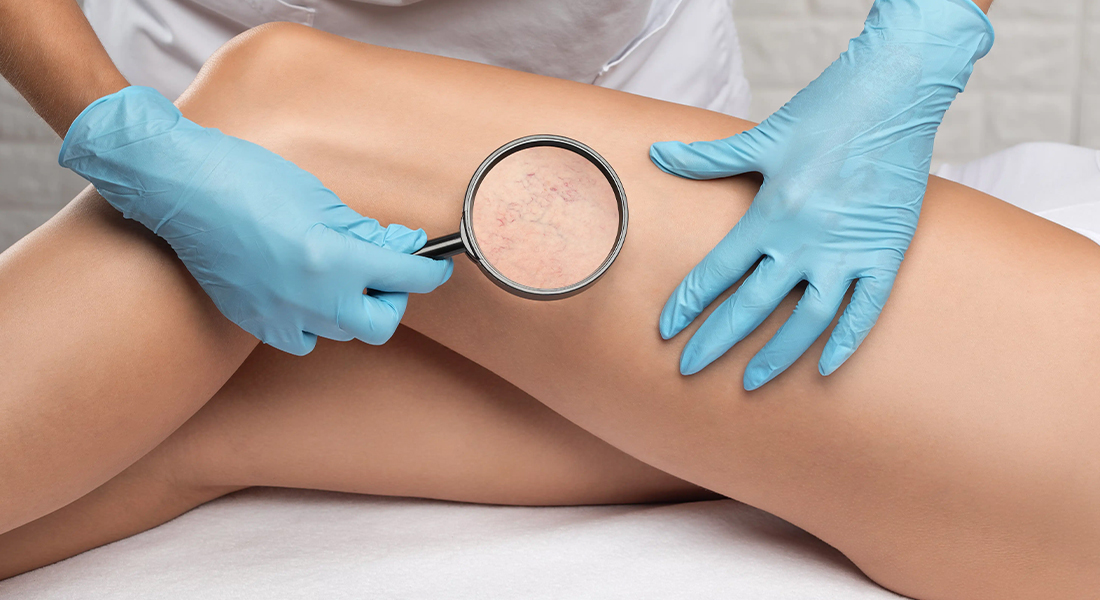
- Spider veins: Fine purple-red vascular networks visible on the skin surface
- Chronic venous insufficiency: Persistently elevated venous pressure caused by valve insufficiency
- Superficial venous thrombosis: Clot and inflammation in a superficial vein, often presenting as a painful, firm area
- Deep vein thrombosis: Formation of a clot in the deep veins; requires prompt medical assessment
- Post-thrombotic syndrome: Persistent venous insufficiency that develops after a previous clot
- Venous ulcer: A leg ulcer caused by advanced venous insufficiency
What Are the Symptoms?
- Leg and ankle swelling that increases toward the end of the day
- A feeling of heaviness, fullness, and fatigue in the legs
- Night cramps and symptoms of restless legs
- Prominent, raised, and tortuous veins
- Brown discoloration around the ankle
- Hardening, shininess, and itching of the skin
- Symptoms that worsen after prolonged standing and improve when the legs are elevated
Deep vein thrombosis presents differently: sudden swelling, pain, redness, and increased warmth usually develop in one leg. If shortness of breath or chest pain also occurs, urgent medical attention is required.
Risk Factors
- A family history of varicose veins or venous insufficiency
- Standing or sitting without moving for long periods
- Excess weight
- Pregnancy and hormonal changes
- Advanced age
- Previous leg surgery, fracture, or prolonged bed rest
- Long journeys
- Inherited conditions that increase clotting tendency and certain cancers
Diagnostic Methods
- Venous Doppler ultrasonography: The primary method for demonstrating valve insufficiency and blood clots
- Arterial assessment: Used to determine whether compression therapy can be applied safely
- D-dimer test: A supportive blood test when thrombosis is suspected
- CT or MR venography: Used to evaluate veins in the abdomen and pelvis
- Coagulation testing: May be performed in patients with recurrent thrombosis
Treatment of Venous Diseases
Compression Therapy
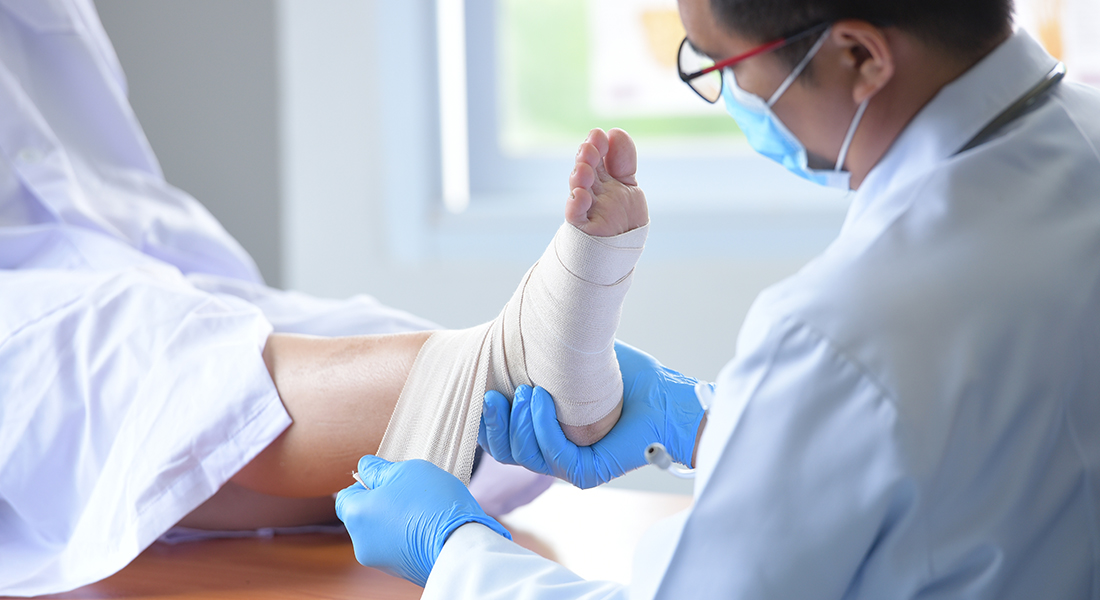
Compression stockings with an appropriate pressure level reduce venous pressure and can decrease swelling and symptoms. The pressure level is selected after the patient’s arterial circulation has been assessed.
Lifestyle Changes
Regular walking, weight management, avoiding prolonged inactivity, and elevating the legs at intervals during the day are integral parts of treatment.
Medication Treatment
Medications that support venous return may help reduce symptoms. In deep vein thrombosis, anticoagulant treatment is prescribed, and the duration is determined by the physician.
Interventional Treatments
In superficial venous insufficiency, the affected vein may be closed with laser, radiofrequency, or adhesive techniques. Sclerotherapy can be used to close smaller veins. The method is selected according to vessel diameter, location, and the patient’s overall condition.
Surgical Treatment
Conventional varicose vein surgery may be used in selected cases. The decision is made after detailed evaluation of the venous anatomy.
Venous Ulcer Treatment
In patients who have developed an ulcer, compression therapy, regular wound care, and treatment of the underlying venous insufficiency are carried out together.
Daily Life Recommendations
- Do not remain in the same position for long periods; take breaks and walk for a few minutes
- Perform ankle movements while sitting
- Elevate your legs above heart level at intervals during the day
- Use the compression stockings recommended by your physician regularly
- Avoid very hot baths and prolonged exposure to hot environments
- Maintain a healthy body weight
- On long journeys, move regularly and drink adequate water
Specialist Evaluation of Venous Diseases
Venous disease is often perceived as only a cosmetic issue, yet when untreated it can progress to skin changes and leg ulcers. Prof. Dr. Emre Özker plans treatment after detailed Doppler assessment and, in patients who have developed ulcers, manages vascular treatment and wound care together.
Classification of Venous Diseases
Venous disease can be described in stages according to the severity of findings in the leg. At the mildest level, only spider veins are present. More advanced stages include prominent varicose veins, edema, skin discoloration, and hardening. The final stage includes a healed or active venous ulcer.
The practical value of this classification is that once brown discoloration and hardening of the skin begin, the disease has reached a pre-ulcer stage. Intervention at this stage is one of the best opportunities to prevent ulcer formation.
Treatment Process in Deep Vein Thrombosis
Deep vein thrombosis has a different level of urgency from other venous disorders. The foundation of treatment is anticoagulant medication; the aim is to prevent the clot from enlarging and reduce the risk of it traveling to the lungs.
The duration of treatment varies according to the cause of the clot. Thrombosis caused by a temporary factor may require a shorter course, whereas recurrent or unexplained thrombosis may require prolonged treatment. Stopping medication without medical advice increases the risk of recurrence.
After the acute period, compression therapy and support for mobility may help reduce the severity of long-term venous insufficiency that can develop later.
Venous Problems During Pregnancy
Varicose veins and edema are common during pregnancy because of increased blood volume, hormonal changes, and pressure from the enlarging uterus on the veins. Symptoms are generally managed with compression stockings, leg elevation, and regular movement.
Interventional treatments are usually postponed until after delivery because some varicose veins that appear during pregnancy regress spontaneously afterward. However, sudden one-sided leg swelling and pain should be assessed for possible thrombosis.
Follow-up After an Intervention
Follow-up is important after vein closure procedures performed with laser, radiofrequency, or adhesive methods. Compression stocking use, early walking, and follow-up Doppler ultrasonography are commonly planned after the procedure.
The treated vein generally remains closed, but insufficiency can develop in other veins over time. Regular follow-up and continuation of lifestyle measures are therefore important.
Common Misconceptions and Mistakes
- Thinking that varicose veins are only a cosmetic problem and delaying treatment
- Using compression stockings only when symptoms occur
- Putting compression stockings on in the evening and removing them in the morning; standard daytime use is the opposite
- Selecting the pressure level without professional guidance
- Ignoring sudden swelling in one leg
- Using diuretics for leg edema without medical advice
- Assuming that heat application or prolonged hot baths are beneficial
Frequently Asked Questions
Are varicose veins only a cosmetic problem?
No. Varicose veins may be the visible sign of underlying venous insufficiency. If untreated, swelling, skin changes, and leg ulcers can develop.
Should I use compression stockings all the time?
The duration of use and pressure level vary according to the stage of disease. A common approach is to put them on in the morning before significant swelling develops and wear them during the day.
How serious is deep vein thrombosis?
Because a clot may break off and travel to the lungs, deep vein thrombosis requires prompt assessment. Sudden one-sided leg swelling should not be ignored.
Can varicose veins come back after laser treatment?
The treated vein generally remains closed, but insufficiency may develop in other veins over time. Regular follow-up and appropriate compression may therefore still be recommended.
Does elevating my legs really help?
Yes. Elevating the legs above heart level can facilitate venous return and reduce swelling and heaviness. Repeating this several times during the day may be helpful.
How is the correct compression stocking size determined?
Measurements are best taken in the morning when swelling is minimal. Leg circumference measurements are used to determine the appropriate size and pressure level. Incorrectly sized stockings may be ineffective or uncomfortable.
What should I do during long flights?
Stand up and move at regular intervals, perform ankle exercises while seated, and maintain adequate fluid intake. People with risk factors should discuss compression stocking use with their physician.
What is the difference between sclerotherapy and laser treatment?
Sclerotherapy closes smaller veins by injecting a substance into the vessel. Laser and radiofrequency use heat energy to close larger veins. The choice depends on vessel size and location.
I have had deep vein thrombosis. Can it recur?
The likelihood of recurrence depends on the cause of the thrombosis and whether risk factors persist. Treatment duration and preventive measures are planned according to this assessment.
Should I sleep in compression stockings?
They are generally recommended for daytime use. Nighttime use is considered only in specific situations and under medical guidance.
Why do my symptoms worsen in hot weather?
Heat causes veins to dilate and can increase venous pooling. Swelling and heaviness may therefore become more noticeable during hot weather.
When can I walk after varicose vein surgery?
Early walking is encouraged with modern treatment methods and usually begins shortly after the procedure. The detailed plan should be provided by the treating physician.