Growth factor application involves delivering signaling proteins involved in wound healing directly to the wound surface. In chronic wounds, the amount and activity of these proteins may be reduced. The aim is to help reactivate a healing process that has stalled. This approach does not replace standard wound care; it is considered an adjunct when fundamental treatment is being carried out correctly.
What Is a Growth Factor?
Growth factors are protein messengers that tell cells how to behave. During wound healing, these signals help determine which cells reach the wound, when they proliferate and which substances they produce.
In a healthy wound, these signals appear in an organized sequence. In chronic wounds, this balance is disrupted: enzymes produced in the inflammatory environment break down growth factors, production decreases and cells partly lose their ability to respond to these signals. As a result, the wound can become stalled at one stage of healing.
Growth Factors Used in Wound Treatment
- Platelet-derived growth factor (PDGF): Attracts connective-tissue cells and stimulates their proliferation
- Epidermal growth factor (EGF): Supports proliferation of skin cells at the wound edge
- Fibroblast growth factor (FGF): Contributes to new blood vessel formation and tissue production
- Vascular endothelial growth factor (VEGF): Stimulates angiogenesis
- Transforming growth factor beta (TGF-beta): Regulates collagen production and tissue remodeling
In addition to commercially prepared products, PRP and PRF obtained from the patient’s own blood also aim to deliver these proteins to the wound bed.
Which Wounds May Be Considered?
- Diabetic foot ulcers that do not respond adequately to standard treatment
- Long-standing venous ulcers
- Pressure ulcers
- Postoperative wounds with delayed healing
- Wounds with inadequate granulation tissue formation
- Supporting the wound bed before grafting
Growth factor treatment is an adjunct to basic wound care. A meaningful response should not be expected before dead tissue is removed, infection is controlled and circulation is assessed.
How Is It Applied?
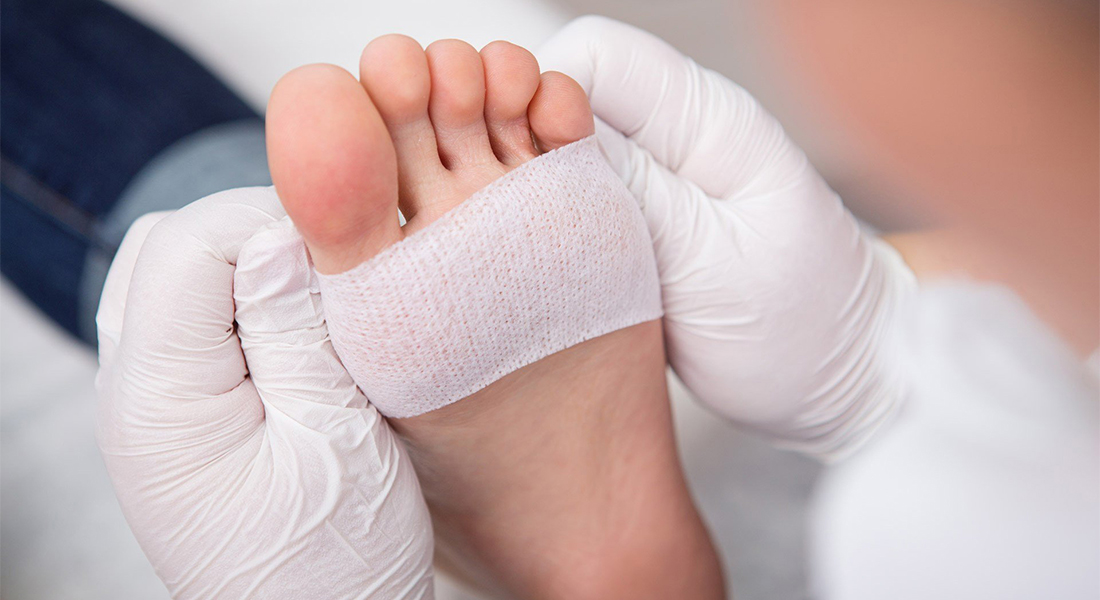
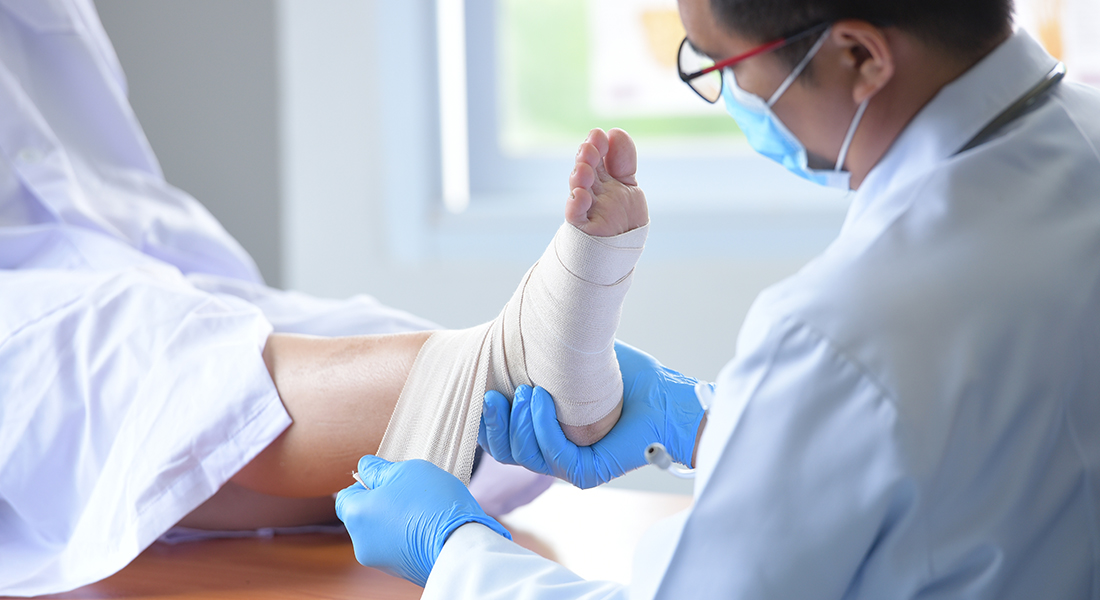
Before application, the wound is cleaned with debridement and the wound bed is prepared. The product is applied as a thin layer over the wound in gel or solution form and covered with a non-adherent dressing that maintains an appropriate moist environment.
Treatment is usually repeated at defined intervals. The wound is reassessed at each dressing change and its size, wound-bed characteristics and direction of healing are documented. If the expected response does not occur after an appropriate period, the treatment plan is reviewed.
When Is It Not Appropriate?
- Active, uncontrolled wound infection
- Extensive dead tissue in the wound bed
- Active cancer at the application site
- Unassessed or uncorrected circulatory impairment
- Known hypersensitivity to product components
Conditions That Improve the Chance of Benefit
For growth factor applications to provide their expected contribution, the wound environment needs to be optimized:
- Regular removal of dead tissue
- Reduction of bacterial burden and biofilm
- Adequate circulation
- Relief of pressure on the wound
- Keeping blood glucose within the target range
- Adequate protein and micronutrient support
- Smoking cessation
Without these measures, treatment may fail to provide the expected benefit and may create unnecessary cost.
Specialist Evaluation for Growth Factor Applications
These products are supportive methods that may contribute to healing in appropriately selected patients. Prof. Dr. Emre Özker evaluates wound-bed preparation, circulation and infection before considering growth factor treatment and explains the expected contribution and limitations clearly to the patient. Response varies and a definite result cannot be predicted.
Why Can Growth Factors Be Ineffective in Chronic Wounds?
Growth factors are not only reduced in chronic wounds; they may also become ineffective for several reasons.
- Enzymes produced in the inflammatory environment break down these proteins
- Biofilm on the wound surface can prevent the product from reaching tissue effectively
- Dead tissue creates a physical barrier
- Wound cells may partly lose their ability to respond to signals
- With inadequate circulation, tissue lacks the resources needed to respond to stimulation
Preparing the wound environment correctly is therefore critical to the outcome.
Product Forms and Application Methods
Growth factor products may be supplied in different forms. Gels are spread in a thin layer over the wound surface. Solutions may be absorbed into a suitable dressing. Some products incorporate growth factors directly into the wound dressing itself.
PRP and PRF prepared from the patient’s own blood serve a similar purpose, but their growth factors come from the patient’s platelets rather than from a manufactured external product.
Use with Other Methods
Growth factor applications are meaningful when used as part of a comprehensive plan rather than alone. They are generally applied after debridement because a clean wound bed is more suitable for treatment.
In diabetic foot ulcers they are combined with off-loading, in venous ulcers with compression and in patients with impaired circulation with vascular treatment. Sequential use with negative pressure wound therapy or tissue equivalents may also be considered.
Assessing Treatment Response
Response is monitored with regular measurements. Indicators include:
- Reduction in wound area
- A healthier pink wound bed
- Increase in granulation tissue
- Reduction in drainage
- Advance of epithelial tissue from the wound edges
- Reduced pain
If measurable improvement is not achieved after an appropriate period, the treatment plan should be reassessed. This helps prevent unnecessary repeat applications.
Cost and Availability
Growth factor products are generally costly and may not be available at every center. The expected benefit should therefore be considered together with cost.
Using these products when fundamental wound care is incomplete is unlikely to provide the expected result and may waste resources. Priority remains debridement, circulation, infection control and pressure relief.
Continuing Wound Care During Treatment
One common mistake is relaxing basic wound care after growth factor treatment begins. Debridement may still be needed, dressing care must continue and pressure-relief measures should not be interrupted.
Moisture balance is also important. A wound bed that becomes too dry may not respond as intended, whereas excessive moisture can damage surrounding skin. Correct secondary-dressing selection helps maintain this balance.
Who May Be Less Likely to Respond?
- Patients with ischemic wounds whose circulation has not been corrected
- Patients with ongoing active infection
- Patients with poorly controlled diabetes
- Patients with malnutrition
- Patients who continue to smoke
- Situations in which pressure on the wound cannot be relieved
- Very long-standing wounds with severe tissue deterioration
Correcting these factors directly affects the likelihood of benefit.
Frequently Asked Questions
Will growth factor treatment definitely close the wound?
No. It is an adjunctive treatment. Healing varies according to wound duration, circulation, infection and the patient’s general health.
Is it the same as PRP?
The goals are similar but the sources differ. PRP is prepared from the patient’s own blood, whereas commercial growth factor products are manufactured preparations.
How often is it applied?
The interval depends on the product and wound condition. Applications are generally repeated at regular intervals in coordination with dressing changes.
Are there side effects?
Temporary burning or redness may occur at the application site. There are also specific restrictions, such as avoiding use in areas with active cancer, so treatment should follow physician evaluation.
How soon should a result be expected?
If the wound does not show the expected measurable reduction after an appropriate period, the treatment plan is reassessed. This requires regular follow-up.
Can these products affect scarring?
By supporting tissue repair they may contribute to healing quality, but scars cannot be prevented completely and results vary between individuals.
Can I change my own dressings during treatment?
This depends on the wound and product. Some applications require dressing care by healthcare personnel. Instructions should be provided clearly.
Should the product be stored in a refrigerator?
Storage requirements depend on the product. Improper storage can reduce effectiveness, so the manufacturer’s and healthcare team’s instructions should be followed.
Is growth factor treatment safe for people with diabetes?
It may be considered when blood glucose is controlled and the wound bed has been prepared appropriately. Poor glucose control can markedly reduce the chance of response.
Can I obtain and use the product myself?
No. These products should be used after medical evaluation and for an appropriate indication. Self-directed use may be ineffective and can harm the wound.
Can the wound temporarily look worse during treatment?
After debridement, the wound may temporarily appear larger because its true boundaries are visible. Increasing pain, redness or drainage, however, requires assessment for infection.
When should growth factor treatment be started?
The appropriate time is after dead tissue has been removed, infection is controlled, circulation has been assessed and pressure on the wound has been relieved. If this sequence is not followed, the product is unlikely to provide the expected effect and treatment may be prolonged.
Will my dressing schedule change?
The interval may be adjusted according to the product, but fundamental wound care continues: debridement needs are reviewed, moisture balance is maintained and pressure relief remains in place. Disruption of this routine can reduce treatment response.