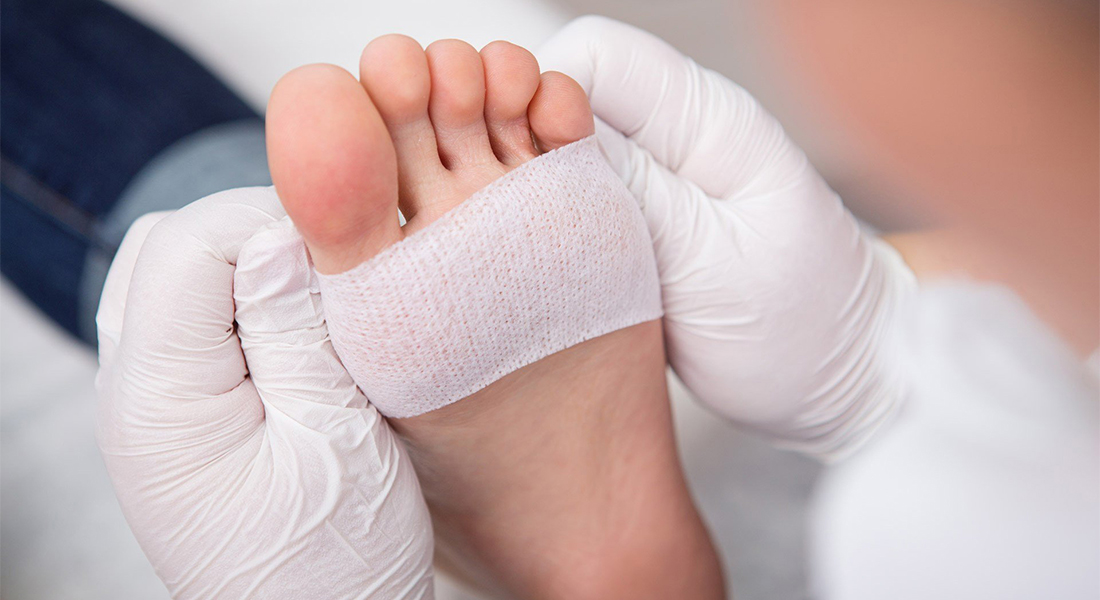
Artificial skin application involves placing specially produced coverings over wounds that cannot close on their own in order to provide a framework for tissue repair. Animal-derived tissue equivalents and laboratory-manufactured products fall within this group. The aim is to support the body as it forms its own tissue.
What Is a Tissue Equivalent?
The skin does more than cover the body; it prevents fluid loss, acts as a barrier against infection and protects underlying tissues. Products that can temporarily or permanently take over some of these functions in wounds with extensive tissue loss are called tissue equivalents.
In addition to covering the wound, these products provide a scaffold into which the patient’s own cells can migrate. Over time, the scaffold is replaced by or integrates with the patient’s own tissue.
Types of Tissue Equivalents
- Animal-derived products: Prepared from bovine or porcine collagen and dermal matrices after removal of cellular components
- Fish-skin-derived products: Porous scaffolds that preserve much of the natural tissue structure
- Human-derived products: Decellularized dermal equivalents prepared from donated tissue
- Synthetic and composite products: Collagen scaffolds supported by a silicone layer
- Cell-containing products: Layered structures supported by laboratory-cultured cells
Some products become incorporated into tissue permanently, whereas others serve as temporary coverings and are later followed by skin grafting.
Which Wounds Can They Be Used For?
- Burn wounds with extensive tissue loss
- Diabetic foot ulcers that do not respond to standard treatment
- Long-standing venous ulcers
- Wounds with exposed tendon or bone
- Preparing a wound bed before grafting
- Traumatic tissue loss
- Patients with insufficient healthy donor skin for grafting
How Do They Work?
- Cover the wound surface and reduce fluid and heat loss
- Create a physical barrier against infection
- Provide a three-dimensional scaffold for cell migration
- Support new blood vessel formation
- May contribute to pain reduction
- May improve the quality of scar tissue
Application Process
The wound is evaluated in detail before application. Dead tissue is removed by debridement, infection is treated when present and circulation is assessed. Once the wound bed is clean and viable, the product is applied.
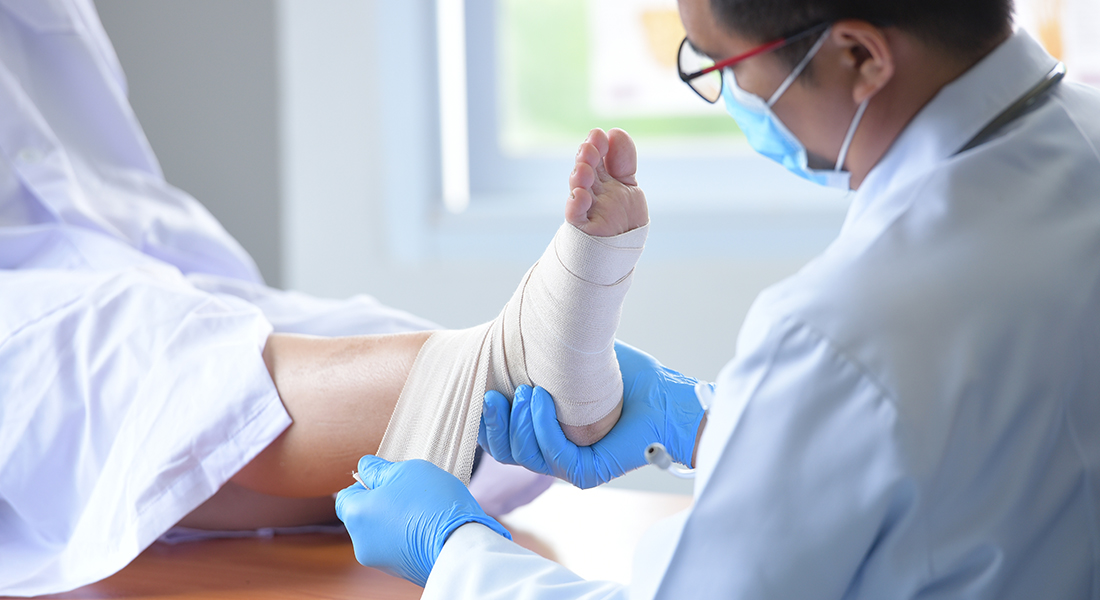
The product is cut to fit the wound, placed in position and secured to prevent movement. It is then covered with an appropriate dressing. With some products, the dressing is left unopened for the first few days.
During follow-up, integration with the wound bed is monitored. With bilayer products, once the lower layer has integrated, the upper protective layer is removed and a thin skin graft may then be applied.
When Are They Not Appropriate?
- Active, uncontrolled infection
- Extensive dead tissue in the wound bed
- Severe uncorrected circulatory impairment
- Known hypersensitivity to the source material
- Patients who decline animal-derived products because of personal or religious preferences
The last point is important: the source of the product should be discussed with the patient in advance and patient preference should be respected.
After the Application
- Keep the treated area still and protect it from pressure
- Follow dressing instructions carefully
- Keep the area dry for the recommended period
- Maintain adequate protein intake
- Continue blood glucose control
- Stop smoking
- Seek medical attention promptly for fever, increasing pain, foul odor or drainage
Specialist Evaluation for Artificial Skin Applications
The success of these products depends largely on wound-bed preparation and correct timing. Prof. Dr. Emre Özker evaluates circulation, infection burden and tissue viability when considering tissue equivalents and includes patient preferences in product selection. Expected outcomes vary from patient to patient.
Single-Layer and Bilayer Products
Tissue equivalents can be considered in two broad structural groups.
Single-layer products provide a tissue scaffold only. They are placed on the wound bed and the patient’s own cells migrate into the scaffold. Application is relatively straightforward and may be completed in a single stage.
Bilayer products have a lower scaffold layer and an upper temporary protective layer. After the lower layer integrates with the tissue, the upper layer is removed and a thin skin graft is commonly applied. This is a two-stage process but can provide more durable coverage for deep tissue defects.
Factors That Determine Product Selection
- Wound depth and exposed structures
- Blood supply to the wound bed
- Infection risk and bacterial burden
- Wound location and degree of movement
- The patient’s general health and accompanying diseases
- Availability of suitable healthy donor skin
- Patient preference regarding product source
- Availability and cost of the product
Use in Burn Treatment
Tissue equivalents can be particularly valuable in extensive burns. When a large proportion of the body surface is affected, the amount of healthy skin available for graft harvesting may be limited. Tissue equivalents can help cover the wound, reduce heat and fluid loss and lower exposure to infection.
In deep burns around joints, they may also be used to support the formation of more flexible tissue and reduce the risk of movement restriction. Physical therapy after application is important in these areas.
Factors That Affect Success
Certain conditions are needed for a product to integrate with the wound bed. The wound bed should be viable and well perfused, infection should be controlled, fluid should not accumulate between the product and the wound, and the area should remain stable.
Smoking, uncontrolled blood glucose, malnutrition and pressure on the treated area negatively affect success. The application should therefore be viewed as part of a comprehensive process before and after the procedure, not simply as a surgical step.
Follow-Up and Controls
During the first days after application, the dressing may be left unopened. Later visits assess product integration, wound-bed color, drainage and signs of infection.
With bilayer products, the timing of upper-layer removal depends on how well the lower layer has integrated. Removing it too early may leave the wound bed unprepared, while excessive delay may increase infection risk.
Cost and Availability
Tissue-equivalent products can be costly because of their manufacturing processes, and not every type is available at every center. Supply, storage requirements and total cost should therefore be reviewed in advance.
In selected patients with extensive tissue loss, however, they may be valuable if they shorten hospital stay or reduce the need for repeated procedures.
Priority of Standard Treatment
Tissue equivalents do not replace basic wound management. Assessment of circulation, infection control, removal of dead tissue, pressure relief and nutritional support always come first.
Products applied before these steps are completed may fail to integrate, delaying treatment and creating unnecessary cost. Correct sequencing is one of the most important factors in determining outcome.
What Should Be Discussed with the Patient?
- The source of the product should be explained clearly
- Whether treatment is a one-stage or two-stage process should be discussed
- Expected healing time and possible scar formation should be explained
- The possibility that the product may fail to integrate and what would happen next should be discussed
- Alternative options and cost differences should be reviewed
Frequently Asked Questions
Does artificial skin fully replace real skin?
No. These products do not reproduce every function of normal skin. Their purpose is to provide a framework for the patient’s own tissue formation and support healing.
Do I have to use an animal-derived product?
No. Human-derived and synthetic options are also available. The source should be disclosed in advance and your preference should be taken into account.
Will I need a skin graft afterward?
Some products may be sufficient on their own, while bilayer products often require a thin skin graft after the lower layer has integrated.
What happens if the product does not take?
Failure may occur because of infection, poor circulation or movement. The cause is investigated, the wound is prepared again and the treatment plan is reassessed.
Will there be a scar?
Some scarring is expected after extensive tissue loss. These products may improve scar quality, but they cannot eliminate scarring completely.
How long will I need to keep the area still?
The duration depends on the product and the treated area. Immobilization may be longer around joints.
Is it harmful for the product to remain permanently in the body?
These products provide a scaffold for the body’s own cells and are largely replaced by or integrated with the patient’s tissue over time. They are not intended to leave a permanent inert foreign material.
Does infection risk increase after application?
Risk can increase if the wound bed was not prepared correctly or sterile conditions are not maintained. Infection control and proper timing before application are therefore essential.
Is my preference considered when choosing the product?
Yes. Product source should be discussed, especially with animal-derived products, and patient preference should be respected. Human-derived and synthetic alternatives may be available.
How soon can the result be evaluated?
Integration can often begin to be assessed over the following several weeks. With bilayer products, removal of the upper layer and the grafting stage are planned according to integration. The exact timing varies with the wound.