Arterial diseases are conditions that develop when the arteries carrying oxygen-rich blood from the heart to the tissues become narrowed, blocked, or abnormally enlarged. In the legs, they may present with pain while walking, coldness, and non-healing wounds. Early diagnosis is important for slowing disease progression.
What Are Arterial Diseases?
Arteries carry oxygen- and nutrient-rich blood pumped by the heart to every part of the body. Over time, fat, cholesterol, and calcium can accumulate on the inner walls of these vessels. This process, called atherosclerosis, narrows the vessel lumen and reduces the amount of blood reaching the tissues.
When this process affects the arteries of the legs, it is called peripheral arterial disease. Because the same process can cause a heart attack when it affects coronary arteries and a stroke when it affects cerebral arteries, vascular disease identified in the legs is also a warning sign for the vascular system throughout the body.
Types of Arterial Disease
- Peripheral arterial disease: Narrowing and blockage of arteries in the legs and arms
- Carotid artery disease: Narrowing of the neck arteries that supply the brain
- Aneurysm: Ballooning of a weakened vessel wall, most commonly affecting the abdominal aorta
- Acute arterial occlusion: Sudden blockage of an artery by a clot or embolus
- Aortic dissection: Separation of the layers of the aortic wall
- Renal artery stenosis: A specific condition that may contribute to difficult-to-control high blood pressure
What Are the Symptoms?
Symptoms of arterial disease in the legs generally progress gradually:
- Pain in the calf, thigh, or buttock that begins after walking a certain distance and resolves with rest
- A progressively shorter walking distance over time
- Foot pain at rest, particularly pain that worsens at night
- Coldness, paleness, and numbness of the foot
- Loss of hair on the leg and thickening of the toenails
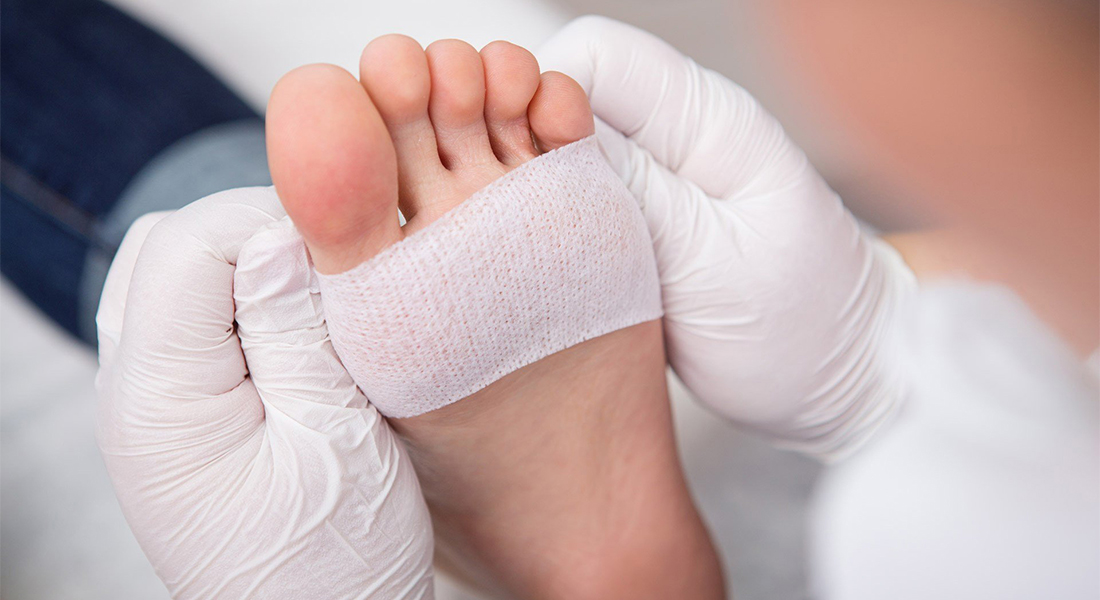
- Small cuts that heal slowly and wounds that remain open
- Weakening of the pulses in the feet
Aneurysms often cause no symptoms and are discovered incidentally during imaging performed for another reason. Acute arterial occlusion, however, can cause sudden severe pain, paleness, coldness, numbness, and loss of strength and requires urgent medical evaluation.
Risk Factors
- Smoking
- Diabetes
- High blood pressure
- High cholesterol
- Advanced age
- Excess weight and a sedentary lifestyle
- Kidney failure
- A family history of vascular disease at an early age
The presence of multiple risk factors increases risk substantially. Smoking and diabetes are particularly important in peripheral arterial disease of the legs.
Diagnostic Methods
- Pulse examination: Assessment of pulses in the groin, behind the knee, and in the foot
- Ankle-brachial index (ABI): A simple and reliable screening test
- Doppler ultrasonography: Determination of the location and severity of narrowing
- CT or MR angiography: Detailed mapping of the vascular anatomy
- Digital angiography: A method that can also allow treatment during the same procedure when necessary
- Blood tests: Evaluation of cholesterol, blood glucose, and kidney function
Treatment of Arterial Diseases
Control of Risk Factors
This is a cornerstone of treatment. Stopping smoking and keeping blood sugar, blood pressure, and cholesterol within target ranges are aimed at slowing disease progression.
Medication Treatment
Medications that reduce clot formation, cholesterol-lowering treatments, and drugs intended to improve walking distance may be prescribed after medical assessment.
Exercise Program
Regular, supervised or structured walking programs can support development of collateral circulation and may improve walking distance. The program is planned according to the patient’s clinical condition.
Interventional Treatments
Balloon angioplasty and stent procedures are catheter-based methods used to open narrowed arteries. The procedure is planned according to the location and length of the blockage.
Surgical Treatment
For long-segment blockages, bypass surgery can redirect blood flow beyond the obstructed area. In aneurysms, open surgical or endovascular repair may be considered.
Wound Care
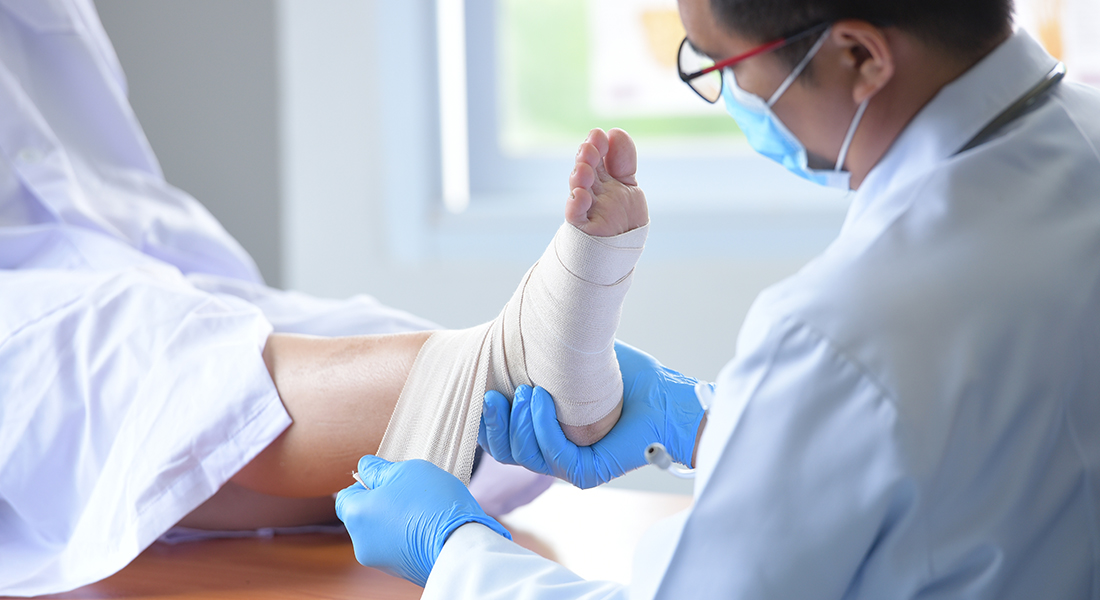
For wounds caused by poor arterial circulation, appropriate wound care is continued after blood flow has been improved. Local wound care alone is unlikely to be successful if adequate circulation has not been restored.
Recommendations for Protecting Vascular Health
- Stop smoking and avoid exposure to tobacco smoke
- Walk regularly on most days of the week
- Reduce salt and saturated-fat intake and increase vegetables and dietary fiber
- Maintain a healthy body weight
- Have blood sugar, blood pressure, and cholesterol checked regularly
- Inspect your feet every day
- If leg pain begins while walking, do not simply attribute it to aging; seek medical assessment
Specialist Evaluation of Arterial Diseases
Pain while walking and non-healing wounds on the legs may be the first signs of an arterial disease that has previously gone unnoticed. Prof. Dr. Emre Özker emphasizes detailed assessment of circulation and planning treatment within the context of the patient’s overall vascular health. Response to treatment may vary from one patient to another.
Staging of the Disease
Peripheral arterial disease of the legs can be described in stages according to symptom severity. At the mildest level, there may be no symptoms and the diagnosis is made only by examination or testing. In the second stage, walking pain develops; the distance at which pain begins provides information about disease severity. In the third stage, pain continues even at rest. In the final stage, tissue loss and wounds develop.
This staging helps determine how urgently treatment should be planned. Exercise and medication are prominent during the walking-pain stage, whereas procedures to improve circulation are considered when rest pain or tissue loss develops.
The Purpose of Medication Treatment
Medication in arterial disease is not used only to address symptoms in the legs. Because the same vascular process can affect the heart and brain, treatment is also intended to protect overall cardiovascular health.
- Medications that reduce clot formation: Intended to lower the risk of clot development within the vessels
- Cholesterol-lowering treatment: Aims to control plaque burden in the vessel wall
- Blood pressure treatment: Reduces stress on the vessel wall
- Blood sugar control: Helps slow progression of small-vessel damage
- Medications intended to improve walking distance: May be considered in selected patients
Stopping these medications without medical advice can increase both limb-related and cardiovascular risk.
The Role of Exercise Programs
In patients with claudication, regular walking programs can support collateral circulation and may increase walking distance. A typical program involves walking until pain begins, resting briefly, and then walking again.
The duration and frequency should be determined according to medical advice. A different program is required for patients with open wounds or rest pain. Exercise does not replace medication; it provides additional benefit when used together with appropriate medical treatment.
Follow-up After an Intervention
For patients who undergo balloon angioplasty, stenting, or bypass surgery, follow-up is important for maintaining the benefit of the procedure. Because treated vessels can narrow again, regular monitoring is required.
Follow-up may include pulse examination, ankle-brachial index measurement, and Doppler ultrasonography when needed. If walking distance decreases or new pain or a wound develops, the patient should seek assessment without waiting for the next scheduled appointment.
The Importance of Foot Care
- Inspect your feet every day, including between the toes
- Check the inside of your shoes before putting them on
- Do not walk barefoot
- Do not apply direct heat to your feet; reduced sensation can lead to burns
- Do not attempt to treat calluses or nail problems yourself
- Moisturize the skin while keeping the spaces between the toes dry
- Seek evaluation even for small wounds
Frequently Asked Questions
Is leg pain while walking normal?
Leg pain that begins after walking a certain distance and improves with rest is a typical finding of arterial narrowing and requires assessment. It should not simply be considered a normal part of aging.
Does the disease go away after a stent is placed?
A stent improves blood flow through the narrowed area but does not eliminate the underlying vascular disease. Medication and risk-factor control should continue.
Does every aneurysm require surgery?
No. Small aneurysms may be monitored with regular imaging. The decision for open or endovascular repair is based on factors such as aneurysm diameter and growth rate.
Can coldness in my legs be a sign of vascular disease?
Persistent coldness, paleness, and numbness may indicate poor circulation. Assessment is particularly recommended when other risk factors are also present.
Is walking harmful if I have arterial blockage?
On the contrary, controlled walking programs can be beneficial in suitable patients. However, if an open wound or rest pain is present, the program should be planned by a physician.
How is the ankle-brachial index measured?
Blood pressure values measured at the arm and ankle are compared as a ratio. It is a simple, painless, and quick test. In patients with advanced calcification of the vessel wall, the result may be falsely elevated.
Can I have arterial disease even if my leg does not hurt?
Yes. The disease can progress without obvious symptoms, especially in people with diabetes and those with limited mobility. Screening may be recommended for people with significant risk factors.
Can someone with vascular disease exercise?
Controlled exercise programs are recommended and beneficial for suitable patients. The type and intensity of exercise should be determined according to the patient’s medical condition.
How often should patients with a stent be checked?
The follow-up interval depends on the type of procedure and the patient’s condition. If walking distance decreases or new symptoms develop, medical assessment should be sought without waiting for the next scheduled visit.
What should nutrition be like in arterial disease?
Reducing salt and saturated-fat intake and increasing vegetables, fruit, and fiber are generally recommended. Weight management and blood sugar control also directly affect vascular health.
Is elevating my legs helpful?
In arterial disease, elevating the leg can increase pain, whereas in venous disease it often provides relief. Recommendations therefore depend on the diagnosis and should be clarified with your physician.