Varicose vein treatment involves evaluating and treating enlarged superficial veins caused by impaired venous circulation in the legs. It may be considered in people with pain, heaviness, swelling or visibly enlarged veins. The aim is to reduce symptoms, improve venous circulation and help prevent complications related to varicose veins.
What Are Varicose Veins?
Varicose veins are veins that become enlarged, elongated and tortuous. They occur most commonly in the legs. Under normal conditions, valves inside the veins help blood move in one direction toward the heart. When these valves do not function adequately, blood may pool in the legs and pressure inside the veins can increase.
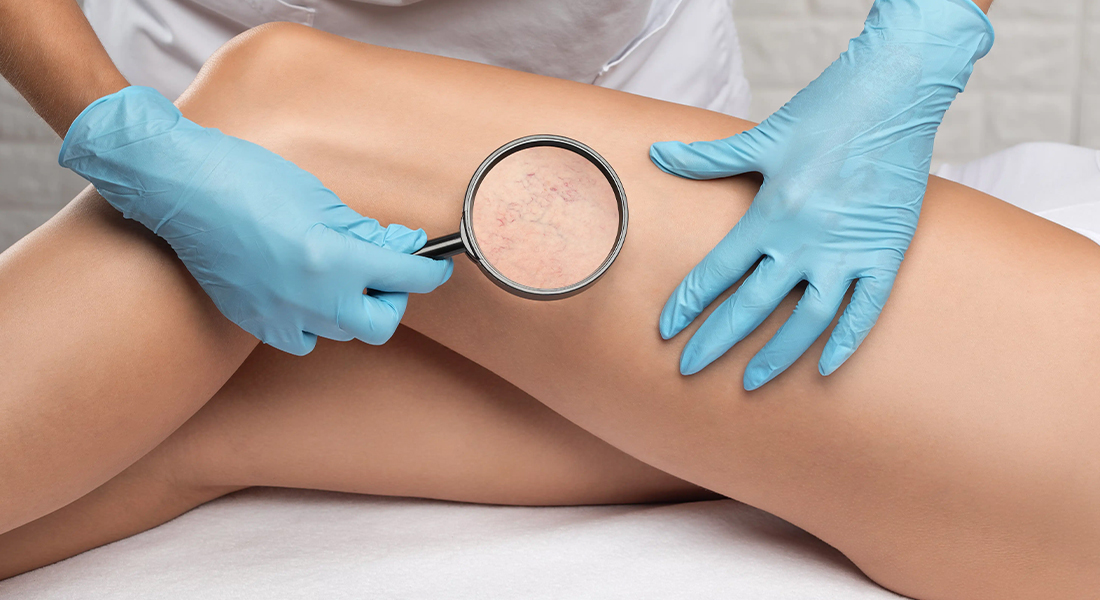
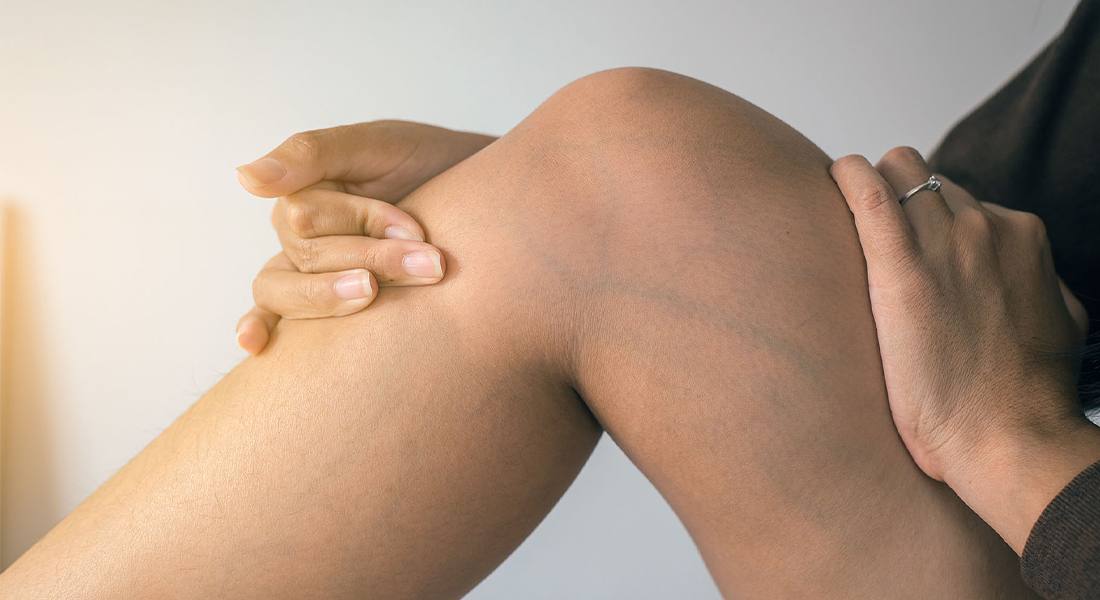
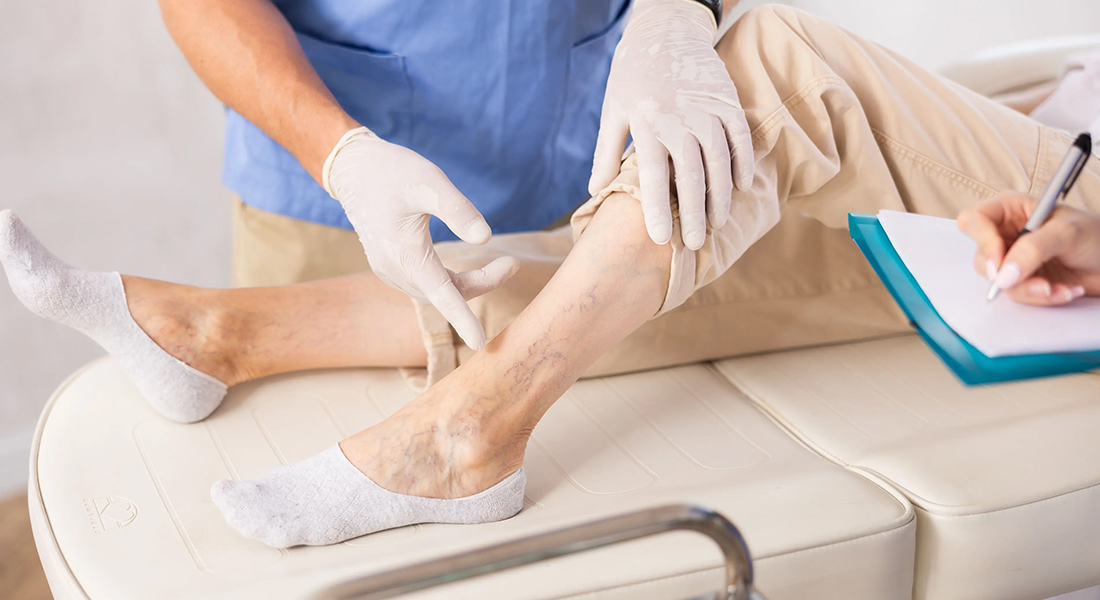
Over time, increased venous pressure can cause superficial veins to dilate and become more visible beneath the skin. Some people have only a cosmetic change, while others develop pain, swelling, night cramps, itching or skin changes.
Because the appearance and symptoms vary from person to person, detailed assessment of the venous system is important before planning varicose vein treatment.
Why Do Varicose Veins Develop?
Varicose veins are usually related to dysfunction of venous valves and increased pressure inside the veins. Several factors can contribute to their development.
Risk factors may include:
- A family history of varicose veins
- Work that requires prolonged standing
- Prolonged sitting and inactivity
- Age-related changes in the veins
- Hormonal and circulatory changes during pregnancy
- Increased venous pressure associated with excess weight
- Low levels of physical activity
- Previous venous disease
Having one risk factor does not mean that varicose veins will definitely develop. Likewise, not every patient has the same cause or degree of venous insufficiency.
What Are the Symptoms of Varicose Veins?
In some people, varicose veins are noticed only because of visible vessels. As venous dysfunction progresses, however, symptoms that affect daily life can occur.
Common symptoms include:
- Prominent blue or purple veins in the legs
- Heaviness or fullness that may worsen toward the end of the day
- Leg pain or burning
- Swelling of the ankles and legs
- Night-time muscle cramps
- Itching or restlessness in the legs
- Symptoms that worsen after prolonged standing
- Skin discoloration around the ankles
New one-sided swelling, marked pain or redness should not simply be assumed to be varicose veins and requires timely medical assessment.
How Are Varicose Veins Evaluated Before Treatment?
Choosing the correct treatment requires more than looking at visible veins. It is important to determine which part of the venous system is affected and how the valves are functioning.
The evaluation includes symptoms, how long the varicose veins have been present, how they change during the day, any previous venous disease and the patient’s overall health.
When necessary, Doppler ultrasonography can be used to examine the leg veins. This allows assessment of blood flow, valve function and backward flow of blood known as venous reflux.
During vascular-surgery evaluation by Prof. Dr. Emre Özker, the treatment plan can be individualized according to examination findings and venous anatomy.
How Are Varicose Veins Treated?
There is no single treatment suitable for every patient. Treatment selection depends on the type of varicose vein, vessel diameter, location of venous insufficiency, symptoms and general health.
Possible approaches include:
- Lifestyle measures and preventive approaches
- Compression stockings
- Sclerotherapy
- Foam sclerotherapy
- Endovenous laser treatment
- Radiofrequency vein closure
- Minor surgical procedures in suitable patients
- Conventional surgery in selected situations
The appropriate method should be determined individually. Small superficial spider veins and larger incompetent veins are not treated in the same way.
How Is Endovenous Laser Treatment Performed?
Endovenous laser treatment is a minimally invasive method intended to close an incompetent vein from within using laser energy.
A thin catheter or laser fiber is placed into the target vein under ultrasound guidance. Controlled energy is delivered to the inner vein wall so that the diseased vein closes. Over time, the closed vein becomes functionally inactive while blood continues to return through healthy veins.
Endovenous laser is not suitable for every patient. Vein anatomy, diameter and the location of venous insufficiency should be assessed before treatment.
What Is Radiofrequency Treatment for Varicose Veins?
Radiofrequency is another endovenous treatment. A thin catheter is placed in the incompetent vein and controlled radiofrequency energy is used to close the vein wall.
Laser and radiofrequency can be used for similar purposes, but the preferred method depends on the patient’s venous anatomy and the physician’s assessment.
What Is Sclerotherapy?
Sclerotherapy is used for certain varicose veins and superficial vessels. A special medication is injected into the target vein to cause the vein walls to come together and the vessel to close over time.
The medication can be used as a liquid or, in suitable patients, as foam. Foam sclerotherapy may be considered for some larger superficial veins.
Not every visible vein should simply be injected. If there is significant reflux in a larger underlying vein, that problem may need to be addressed first.
How Are Spider Veins Treated?
Fine red, purple or blue vessels visible at the skin surface generally require a different approach from larger varicose veins. Sclerotherapy or other superficial-vessel treatments may be considered in suitable patients.
Before treatment, it is important to assess whether there is significant disease in the deeper venous system. Treating only the visible veins may be insufficient if an underlying venous problem remains.
Do Compression Stockings Treat Varicose Veins?
Compression stockings apply controlled pressure to the legs and are intended to support venous return. They may help control symptoms such as swelling and heaviness in selected patients.
However, compression stockings do not always eliminate the underlying venous insufficiency. The pressure level and type of stocking should be selected according to the patient’s condition rather than used randomly.
What Is Recovery Like After Varicose Vein Treatment?
Recovery depends on the treatment used. Some patients can return to daily activities quickly after minimally invasive procedures, whereas more extensive treatment may require a different follow-up plan.
Walking, avoiding prolonged inactivity and using compression stockings for a defined period may be recommended after treatment.
Temporary tenderness, tightness, bruising or discoloration can occur around the treatment area. The duration varies by method and patient.
What Happens if Varicose Veins Are Not Treated?
Varicose veins do not progress in the same way in every patient. Some remain largely a cosmetic concern for years, while symptoms can worsen over time in patients with significant venous insufficiency.
Advanced venous insufficiency can lead to persistent swelling, darkening and structural changes of the skin and, in some patients, a venous ulcer. Long-standing wounds around the ankle should prompt evaluation of venous circulation.
Is There a Link Between Varicose Veins and Non-Healing Leg Wounds?
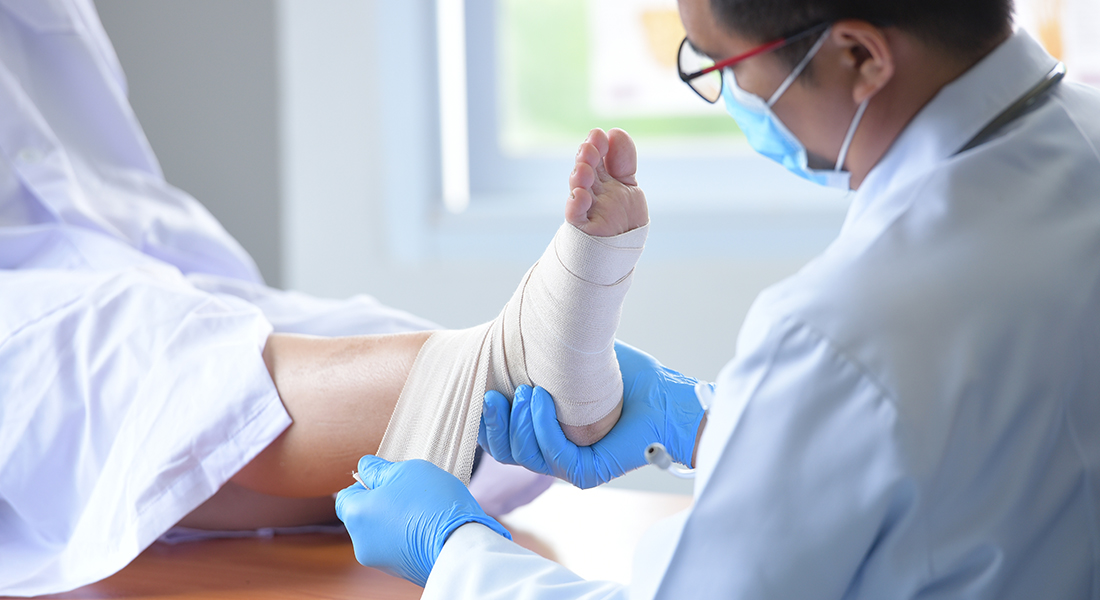
Advanced venous insufficiency can contribute to chronic wounds. Persistently elevated venous pressure affects the skin and subcutaneous tissues and can promote ulcer formation, especially around the ankle.
In these wounds, dressings alone may not be enough. Underlying venous insufficiency should also be investigated.
A combined wound care and vascular surgery approach can help plan treatment around the underlying cause when a non-healing leg wound is thought to be venous in origin.
What Can Help Reduce the Risk of Varicose Veins?
Because some risk factors, such as genetic predisposition, cannot be changed, varicose veins cannot always be prevented completely. However, certain daily habits can support venous circulation.
- Avoid remaining still in the same position for long periods
- Walk regularly during the day
- Take breaks if your work requires prolonged standing
- Move your legs periodically during prolonged sitting
- Maintain a healthy weight
- Include regular physical activity in daily life
- Use appropriate compression products when recommended by your physician
Frequently Asked Questions About Varicose Vein Treatment
Can varicose veins disappear completely?
Problem veins can be closed or removed with appropriate treatment. However, the underlying tendency toward venous disease may remain, so new varicose veins can develop in other vessels over time. Regular follow-up is therefore important.
Is varicose vein treatment painful?
Pain depends on the treatment method. Local anesthetic techniques can be used during endovenous and injection procedures. Discomfort during and after treatment varies between individuals.
Can everyone have endovenous laser treatment?
No. Suitability depends on vein anatomy, the location of reflux, vessel diameter and the patient’s general health. Vascular evaluation is needed before treatment.
Can varicose veins come back?
New varicose veins can develop in other veins over time even after the treated vein has been closed. Genetics, venous anatomy, lifestyle and circulation all influence this process.
Should I walk after varicose vein treatment?
Light walking may be recommended after some minimally invasive treatments. The activity plan should be determined according to the procedure and the patient’s health.
Which type of doctor treats varicose veins?
Varicose veins and venous insufficiency involve the vascular system. Vascular surgery evaluation can be used for diagnosis, Doppler assessment and selection of an appropriate treatment.
Are varicose veins only a cosmetic problem?
No. Some patients are concerned only about appearance, but when venous insufficiency is present, pain, swelling, skin changes and, in advanced cases, ulcers can occur.
Why Is Individualized Planning Important?
Varicose veins that look similar from the outside may be caused by different venous problems. Treatment should therefore evaluate the entire venous circulation rather than simply removing visible vessels.
During assessment by Prof. Dr. Emre Özker, symptoms, physical-examination findings and, when needed, Doppler-ultrasound results can be considered together. The most appropriate option among laser, radiofrequency, sclerotherapy or other vascular approaches can then be selected individually.
If varicose veins are becoming more prominent, pain or swelling develops, or skin discoloration and a non-healing wound appear, detailed assessment of venous circulation may be appropriate.
For informative posts from Prof. Dr. Emre Özker about varicose veins, vascular health and wound care: Visit his Instagram account.