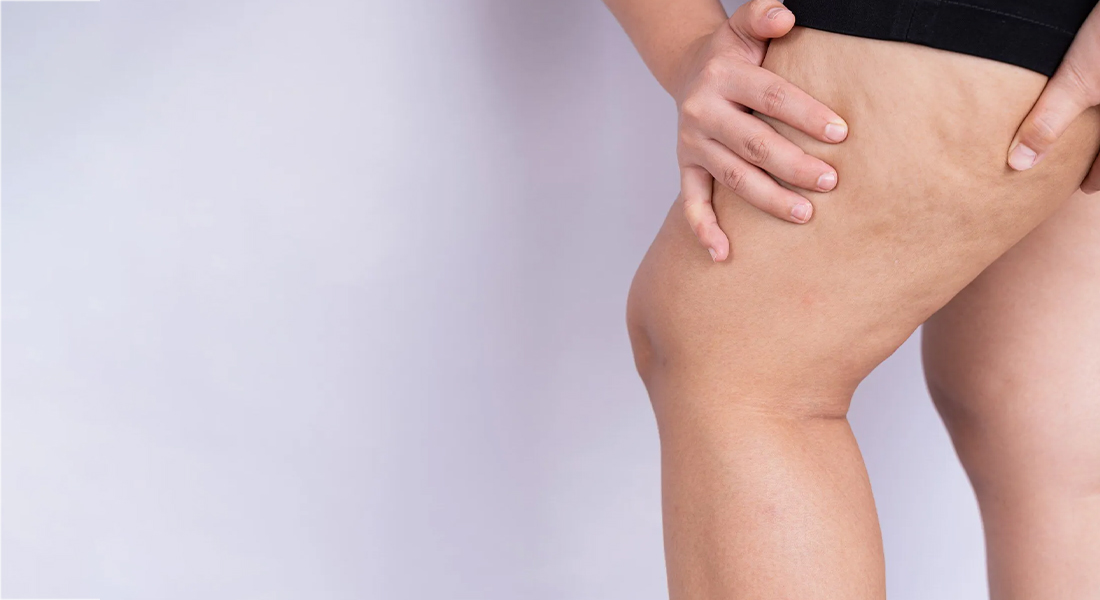
Lipedema is an abnormal accumulation of fat tissue that increases symmetrically in the legs and sometimes the arms, is painful to the touch and tends to bruise easily. It occurs almost exclusively in women. Because it does not improve with diet and exercise and is often confused with obesity or lymphedema, diagnosis is frequently delayed.
What Is Lipedema?
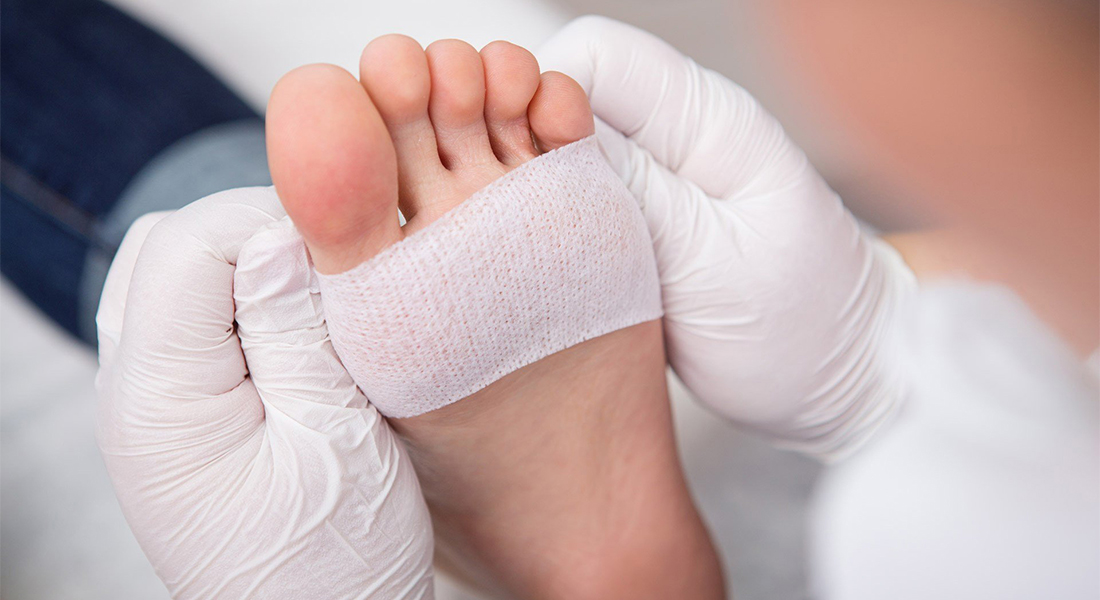
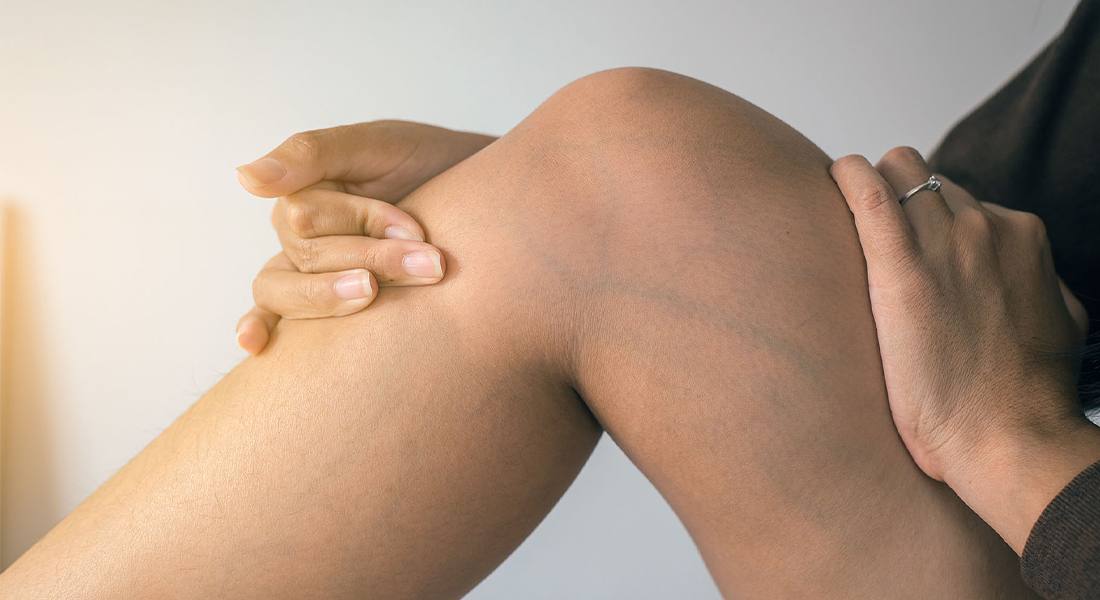
Lipedema is a chronic condition characterized by an abnormal increase in subcutaneous fat tissue. The fat does not accumulate randomly; it follows a characteristic distribution involving the hips, thighs, calves and sometimes the arms. The feet and hands are usually spared, creating a distinct boundary at the ankles. This appearance is an important diagnostic clue.
Although the exact cause is unknown, lipedema is thought to be associated with hormonal changes. The fact that symptoms often begin around puberty, pregnancy or menopause supports this view. A family history is also common.
Symptoms of Lipedema
- Symmetrical and disproportionate enlargement of the legs
- A clear boundary at the ankles while the feet remain unaffected
- Pain and tenderness with touch or pressure
- Easy bruising after minor trauma
- A feeling of heaviness and tightness in the legs
- Small nodular structures that can be felt beneath the skin
- The upper body becomes slimmer with diet and exercise while the legs change little
- A feeling of coldness in the legs
Pain and easy bruising are among the most important features that distinguish lipedema from a simple weight problem.
Differences Between Lipedema, Lymphedema and Obesity
These three conditions are often confused, but they have distinguishing features. In lipedema, involvement is symmetrical, the feet are spared, tenderness and easy bruising are prominent, and the skin at the base of a toe can be pinched easily. In lymphedema, involvement is often unilateral, the top of the foot is swollen, pain is not usually the main complaint, and the skin at the base of a toe may be difficult to pinch and lift.
In obesity, fat is distributed throughout the body, pain and easy bruising are not typical, and the legs also become slimmer with weight loss. In lipedema, weight loss is usually more noticeable in the trunk and upper body.
In long-standing lipedema, lymphatic flow can also become impaired and both conditions may occur together. This is known as lipo-lymphedema.
Stages of Lipedema
- Stage 1: The skin surface is smooth and fine nodules can be felt beneath the skin
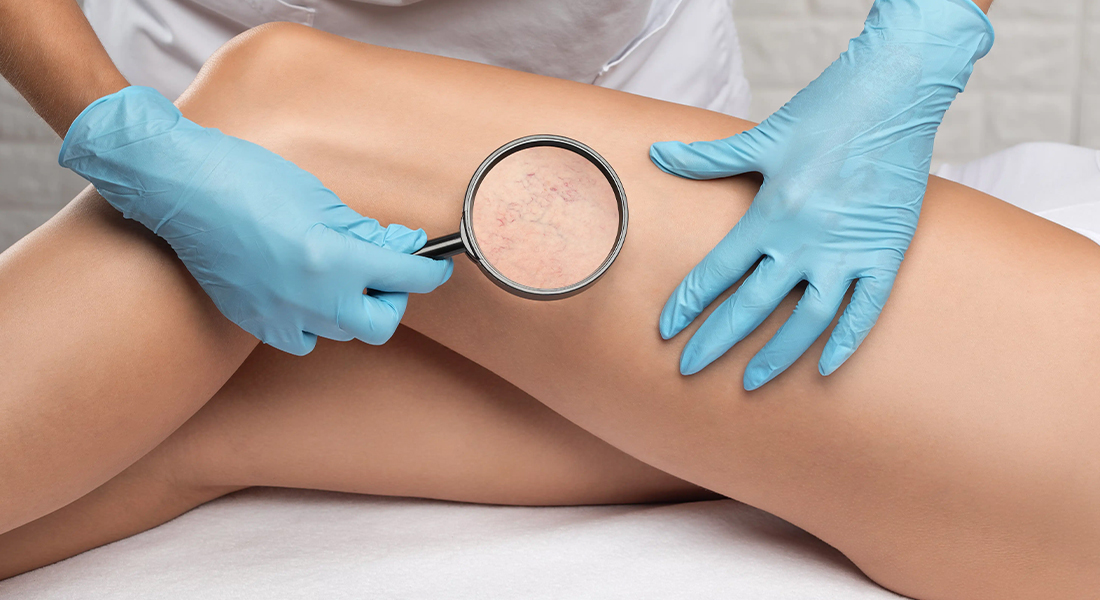
- Stage 2: Irregularities become more apparent on the skin surface and an orange-peel appearance develops
- Stage 3: Large folds of fatty tissue develop and mobility and walking may be affected
Staging describes appearance only; the severity of pain may vary at every stage.
How Is Lipedema Diagnosed?
Diagnosis is based largely on medical history and physical examination. The age at symptom onset, family history, pain and bruising characteristics are reviewed. During examination, the symmetry of fat distribution, the boundary at the ankle and a negative Stemmer sign are assessed.
Venous Doppler ultrasonography may be used to look for accompanying venous insufficiency. Lymphoscintigraphy can be used when necessary to assess lymphatic flow. Blood tests may also be performed to exclude edema related to thyroid, kidney or heart disease.
Lipedema Treatment
Compression Therapy
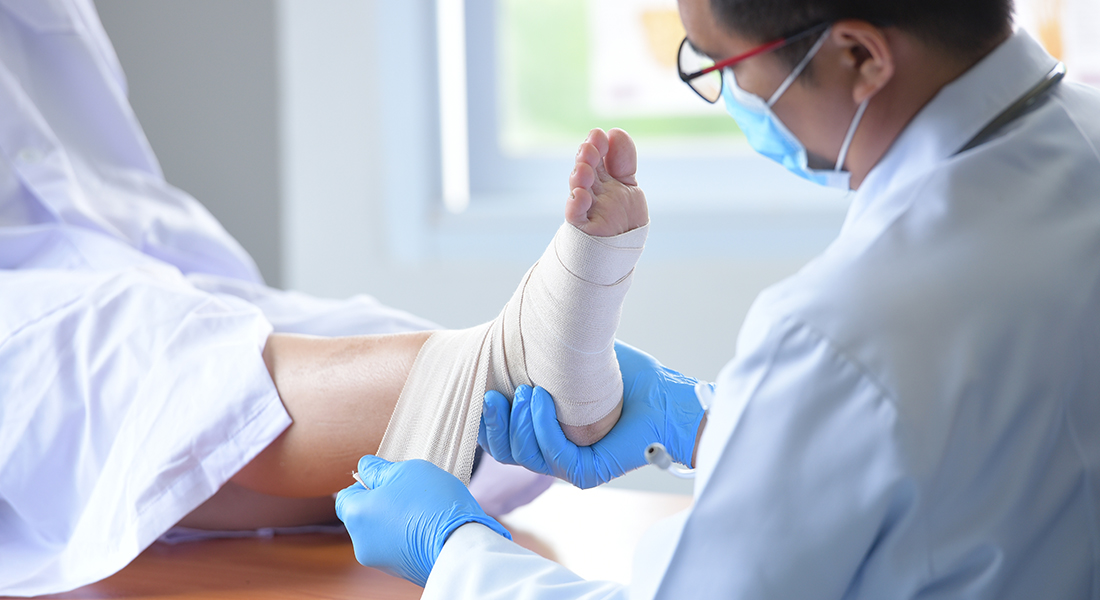
Properly fitted compression garments can reduce pain, limit fluid accumulation and improve comfort in daily life. Flat-knit garments are often preferred for these patients.
Manual Lymphatic Drainage and Physical Therapy
Drainage techniques can provide relief in patients who also have an edema component. Regular physical therapy programs help maintain mobility.
Exercise
Low-impact activities such as swimming, aquatic exercise and cycling are recommended. Although exercise does not eliminate lipedema fat completely, it can help reduce pain, control edema and support overall health.
Nutrition
A balanced diet and weight control may help slow progression. However, lipedema-related fat should not be expected to resolve with diet alone. Understanding this helps prevent patients from feeling unnecessary guilt about their condition.
Surgical Treatment
In patients with persistent pain and mobility limitations despite conservative treatment, specialized liposuction techniques designed to protect lymphatic vessels may be considered. Treatment is often planned over more than one session. Compression therapy and lifestyle measures still need to continue after surgery. Suitability and expected results vary from person to person, so the decision should follow a detailed evaluation.
Daily Life Recommendations
- Use your compression garment regularly and replace it when necessary
- Avoid remaining inactive for long periods
- Moisturize your skin and protect it from cracking
- Make joint-friendly exercise part of your routine
- Elevate your legs at intervals during the day
- Avoid very hot environments and prolonged hot baths
- Do not hesitate to seek psychological support when needed
Specialist Evaluation in Lipedema Treatment
One of the most common concerns expressed by patients with lipedema is that their symptoms have long been interpreted simply as a weight problem. Correct diagnosis, however, is the foundation of treatment. Prof. Dr. Emre Özker prioritizes distinguishing lipedema from lymphedema and venous insufficiency, plans an individualized treatment program and follows the process with regular assessments.
Common Misconceptions About Lipedema
Many patients with lipedema report that their symptoms were considered a weight problem before they received a diagnosis. This may delay treatment and cause patients to blame themselves unnecessarily.
Common misconceptions include:
- The belief that “if you lose weight, your legs will become slimmer too,” although weight loss is often much more obvious in the trunk
- Assuming the pain is exaggerated or psychological
- Attributing bruising simply to carelessness
- Mistaking the condition for ordinary cellulite
- Believing lipedema and lymphedema are the same disease
An accurate diagnosis helps not only with treatment but also with understanding the condition itself.
Associated Conditions
Certain problems may occur more frequently in people with lipedema. These include knee and hip pain related to increased joint load, changes in walking pattern, restricted ankle movement and venous insufficiency that develops over time.
In long-standing cases, lymphatic flow may become impaired and lipo-lymphedema may develop. When this happens, swelling begins to involve the top of the foot and lymphedema treatment approaches are added. Regular follow-up therefore helps identify associated problems early.
Planning Exercise Correctly
Exercise does not remove lipedema fat, but it can reduce pain, improve edema control and help protect joint health. The exercise program should be selected carefully.
- Aquatic exercise is often recommended because water provides natural compression
- Swimming and cycling place relatively little stress on the joints
- Walking may be more comfortable when performed with compression garments
- High-impact and jumping exercises are generally best avoided
- If pain increases significantly after exercise, the program should be reassessed
Psychological Effects and Support
Changes in body shape, chronic pain and living for a long time without a diagnosis can affect emotional well-being. These effects should not be overlooked as part of comprehensive care.
Understanding how the disease works and recognizing that the symptoms are not a personal failure can itself be reassuring. Psychological support, when needed, may also improve adherence to treatment.
Follow-Up
During follow-up, limb circumference measurements, pain level, mobility and adherence to compression garments are assessed regularly. Because compression garments gradually lose elasticity, they need to be replaced at appropriate intervals.
Follow-up becomes even more important in patients who undergo surgery. Continuing compression therapy and lifestyle measures after the procedure is intended to preserve the result achieved.
Measurement and Monitoring in Lipedema
Limb circumference measurements, pain level and mobility are recorded regularly during follow-up. These records provide an objective way to assess the contribution of treatment.
Changes in daily life are also important, including difficulty climbing stairs, ability to stand for prolonged periods, comfort in choosing clothing and sleep quality. Even when there is no major reduction in leg volume, meaningful pain relief is a significant gain.
Frequently Asked Questions
Can lipedema go away with weight loss?
Weight loss is beneficial for general health, but fat tissue related to lipedema does not usually decrease to the expected extent with diet. Weight loss is often more noticeable in the trunk and upper body.
Does lipedema occur only in women?
It occurs almost exclusively in women. It is very rare in men and is usually associated with a hormonal disorder when it does occur.
Why do my legs bruise so easily?
Small blood vessels under the skin are more fragile in lipedema. As a result, even minor trauma can cause bruising.
Can liposuction be performed on everyone?
No. Suitability depends on the stage of disease, severity of symptoms, accompanying conditions and the patient’s expectations. The decision is made after a detailed examination.
Does lipedema progress?
It can progress over time if left untreated, and impaired lymphatic flow may eventually lead to lipo-lymphedema. Early diagnosis and regular follow-up may help reduce this risk.
At what age does lipedema begin?
Symptoms most commonly begin around puberty. They may become more pronounced during periods of hormonal change such as pregnancy and menopause.
My compression garment increases my pain. What should I do?
This is often caused by an incorrect size or inappropriate compression level. The garment should be remeasured and flat-knit options may need to be considered.
Is lipedema caused by kidney or heart disease?
No. However, edema caused by these diseases can coexist with lipedema. Blood tests and other appropriate evaluations are therefore used in the differential diagnosis.