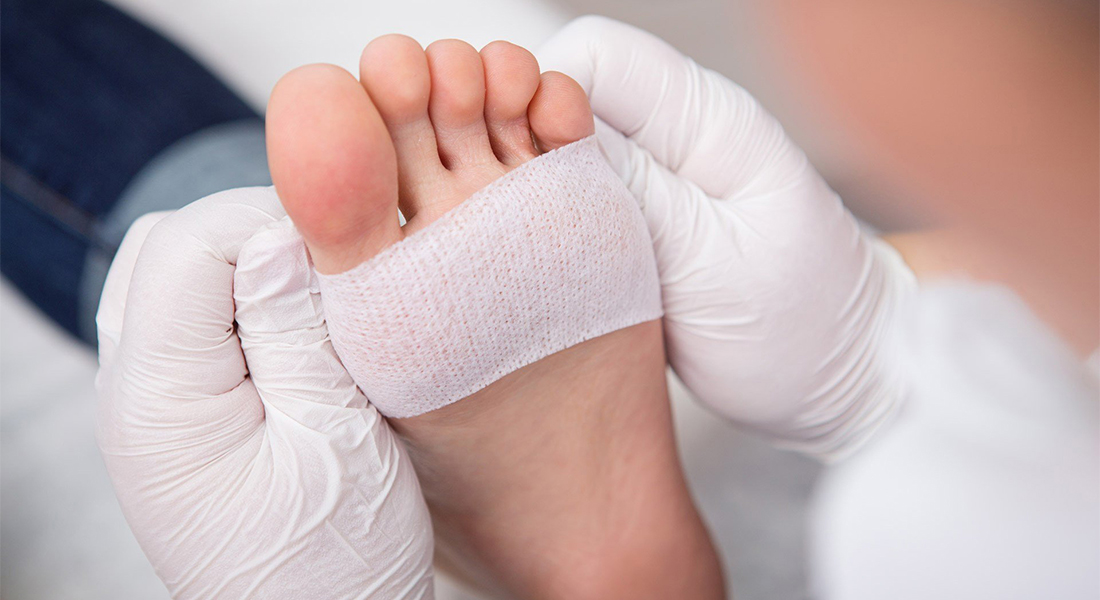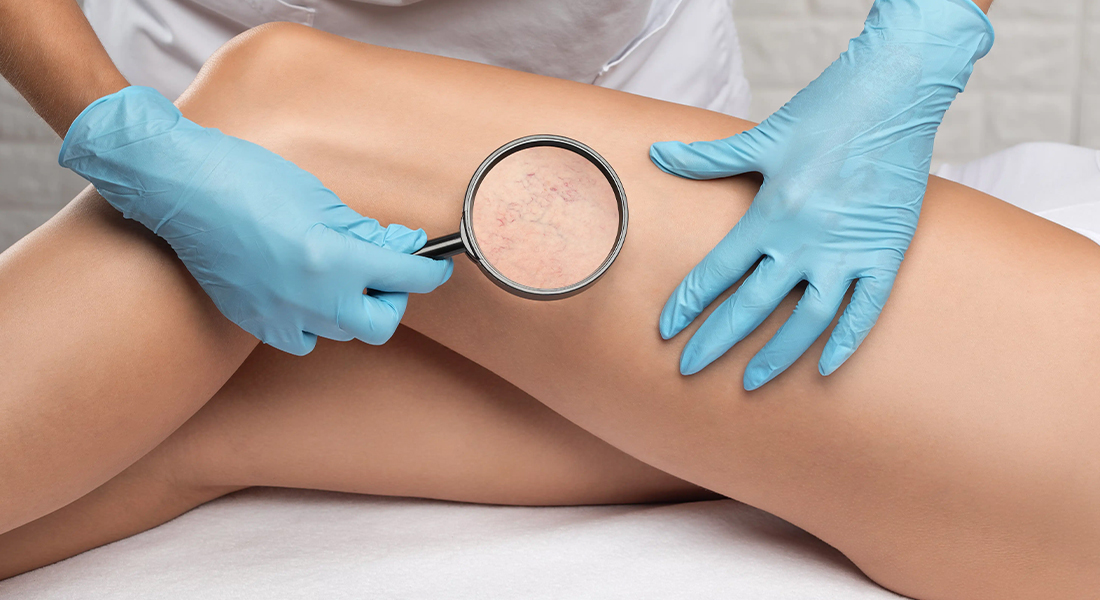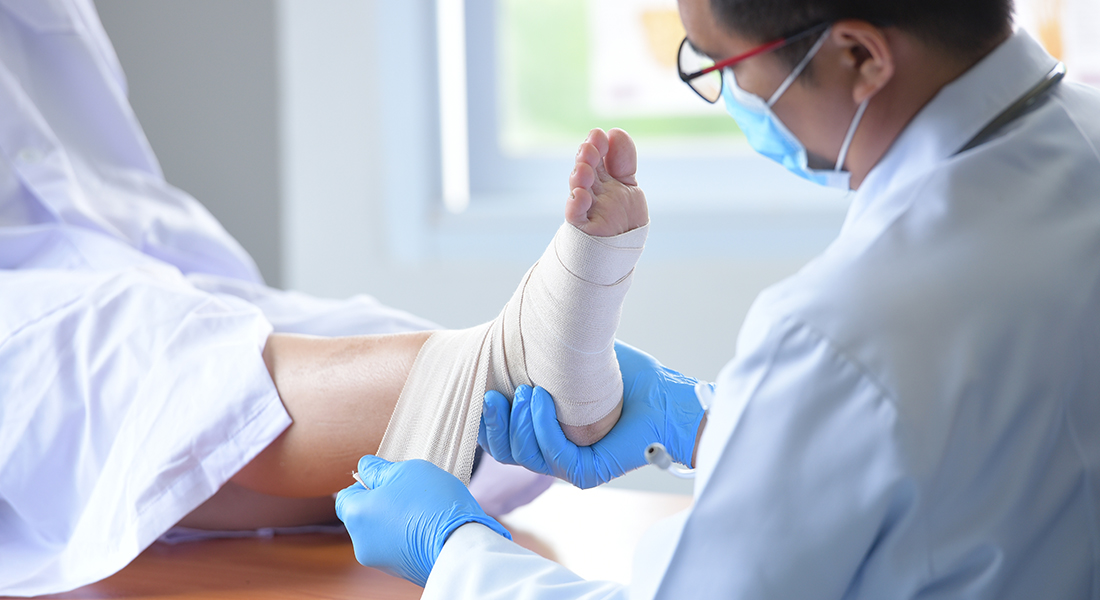
Wound surgery includes procedures performed to remove dead tissue, excise nonviable areas and close open wounds that fail to heal. Debridement, amputation and skin grafting are among the main methods. The procedure required is determined by the condition of the wound.
When Is Wound Surgery Needed?
Not every wound requires surgery. However, a surgical approach may be considered when dead tissue is present in the wound bed, infection has progressed into deeper tissues, tissue has lost viability or the open area is too large to close on its own.
The depth and size of the wound, extent of infection, blood supply to the area and the patient’s general health are evaluated together. Because surgery in an area with inadequate circulation is unlikely to heal well, circulation may need to be restored first.
Debridement
Debridement is the removal of dead tissue, fibrin, callus and infected material from the wound bed. Dead tissue provides a nutrient source for bacteria and physically prevents new tissue formation. Debridement is therefore one of the cornerstones of chronic wound treatment.
Debridement Methods
- Surgical debridement: Dead tissue is cut away with a scalpel and scissors; it is the fastest and most effective method
- Enzymatic debridement: Special topical agents are used to chemically break down dead tissue
- Autolytic debridement: Moist dressings allow the body’s own enzymes to remove nonviable tissue
- Mechanical debridement: Cleansing is performed with irrigation and similar techniques
- Biological debridement: Sterile larvae selectively remove dead tissue
The method is selected according to the nature of the wound, pain tolerance and the patient’s overall condition. Debridement is often not completed in a single session and may be repeated until the wound bed is clean.
When Is Debridement Not Appropriate?
Early removal of dry, black necrotic tissue from a foot with severely impaired circulation may worsen the condition. Likewise, aggressive debridement can trigger new lesions in inflammatory wounds such as pyoderma gangrenosum. The decision should therefore be made after detailed evaluation.
Amputation
Amputation is the surgical removal of a part of a limb that has completely lost viability or threatens the rest of the body because of extensive infection. It is one of the last options considered in wound management and is used when other approaches are inadequate.
Amputation does not always mean removal of the entire leg. In many cases it can be limited to a single toe or a small part of the foot. The extent of surgery is determined according to the principle of preserving as much viable tissue as possible.
When May Amputation Be Considered?
- Irreversible loss of tissue viability
- Uncontrolled, spreading and life-threatening infection
- Critical ischemia that cannot be revascularized and does not respond to treatment
- Bone infection that is resistant to treatment
- Uncontrolled pain that severely impairs quality of life
The decision is discussed in detail with the patient. After surgery, prosthetic options and rehabilitation programs are used to support mobility.
Skin Grafting
A skin graft is a piece of skin taken from a healthy area of the body and transferred to a prepared wound bed. It is used to shorten healing time in large wounds that are not expected to close spontaneously.
Types of Skin Grafts
- Split-thickness skin graft: Contains the upper layers of the skin and is commonly used to cover large areas
- Full-thickness skin graft: Contains all layers of the skin and provides better tissue quality but can cover only a limited area
- Meshed graft: Small openings are made in the graft so it can be expanded to cover a larger area
Requirements for Graft Take
For a graft to survive, the wound bed must be clean, well perfused and free of uncontrolled infection. Blood or fluid should not collect between the graft and the wound bed, and the graft must remain stable. The area is therefore secured and immobilized for a period after surgery. Smoking and poorly controlled blood glucose can negatively affect graft take.
The donor site also becomes a wound and requires care. It usually heals within about two weeks.
Postoperative Care
- Follow dressing schedules and instructions carefully
- Keep the grafted area still and protect it from pressure
- Ensure adequate protein intake
- Do not neglect blood glucose monitoring
- Stop smoking
- Seek medical attention promptly if fever, increasing pain or drainage develops
- Attend the recommended rehabilitation program regularly
Specialist Evaluation in Wound Surgery
The most critical issue in wound surgery is performing the right procedure at the right time. Closing a wound too early may fail, while delayed debridement can allow infection to progress. Prof. Dr. Emre Özker evaluates circulation, infection and tissue viability together when making surgical decisions, with the aim of achieving healing while minimizing tissue loss, and discusses the treatment plan openly with the patient.
Preoperative Preparation
Some of the factors that determine the outcome of wound surgery can be optimized before the procedure. A comprehensive preoperative evaluation is therefore necessary.
- Assessing circulation and restoring it first when necessary
- Bringing blood glucose into the target range
- Evaluating nutritional status, including protein and albumin levels
- Treating anemia
- Controlling active infection
- Stopping smoking
- Planning the management of blood thinners and immunosuppressive medications
Procedures performed without this preparation have a higher risk of failure.
Flap Procedures
A skin graft is a thin covering that receives its blood supply from the tissue beneath it and does not carry its own blood vessels. For this reason, a graft alone may not be sufficient when structures such as tendon, bone or joint are exposed.
In these situations, flap surgery may be considered. A flap is a piece of tissue transferred together with its own blood supply. It can be moved from an adjacent area or transferred from a distant site with microsurgical reconnection of its vessels. Flaps provide more durable coverage but require more extensive surgery.
The choice of method depends on wound depth, exposed structures, circulation in the area and the patient’s overall condition.
Rehabilitation After Amputation
Treatment does not end with amputation surgery. Residual-limb care, edema control, pain management and prosthetic fitting are integral parts of the process.
In the early period, bandaging is used to shape the residual limb. Exercises are started to preserve joint movement. Prosthetic evaluation is planned at the appropriate time. Physical therapy is central to helping the patient regain mobility.
Phantom pain, in which pain is felt in the missing limb, is also common and can be treated. Patients should report this symptom to their physician.
Postoperative Follow-Up
- Follow dressing schedules and instructions carefully
- Seek medical attention promptly for fever, increasing pain, foul odor or drainage
- Protect grafted or flap-covered areas from pressure
- Follow the recommended period of rest
- Continue adequate protein intake
- Do not neglect blood glucose monitoring
- Keep all follow-up appointments
The course of the wound is documented regularly and the treatment plan is updated when necessary.
Pain Management and Anesthesia Options
The anesthesia method used for wound surgery depends on the extent of the procedure and the patient’s general condition. Local anesthesia may be sufficient for limited superficial debridement, while regional or general anesthesia may be preferred for more extensive procedures.
Pain during dressing changes is also an important issue in chronic wound care. Analgesics given before the procedure, use of non-adherent materials and minimizing procedure time can markedly improve comfort. Poorly controlled pain is one of the main factors that reduce adherence to treatment.
Frequently Asked Questions
Is debridement painful?
The procedure is performed with appropriate anesthesia. Local anesthesia may be sufficient for superficial debridement, while other forms of anesthesia can be used for larger procedures.
How many times can debridement be repeated?
It may be repeated until the wound bed is clean. The frequency depends on the amount of dead tissue and the course of the wound.
Can an amputation decision be reversed?
Before the decision is made, the possibility of restoring circulation and controlling infection is evaluated in detail. If a viable alternative exists, that option is generally tried first.
Does a skin graft always take?
No. Graft take depends on the quality of the wound bed, circulation, infection status and the patient’s overall health. A guaranteed result cannot be promised.
Will the donor site leave a scar?
A color difference or scar may remain at the donor site. Its appearance usually fades over time, and sun protection can support better healing.
Will I need to stay in the hospital after wound surgery?
This depends on the extent of the procedure. Limited debridement may be performed on an outpatient basis, while extensive surgical cleaning, grafting or flap procedures may require hospitalization.
When can I move the grafted area?
A period of immobilization is required for the graft to become established. The duration varies by location and is determined by your physician. Moving too early may displace the graft.
The wound looks larger after debridement. Is that normal?
Yes. Once dead tissue is removed, the true boundaries of the wound become visible and it may appear larger. This does not mean treatment is failing.
How should I eat after surgery?
A diet with adequate calories and protein supports tissue repair. Maintaining fluid intake and keeping blood glucose under control also directly affect healing.