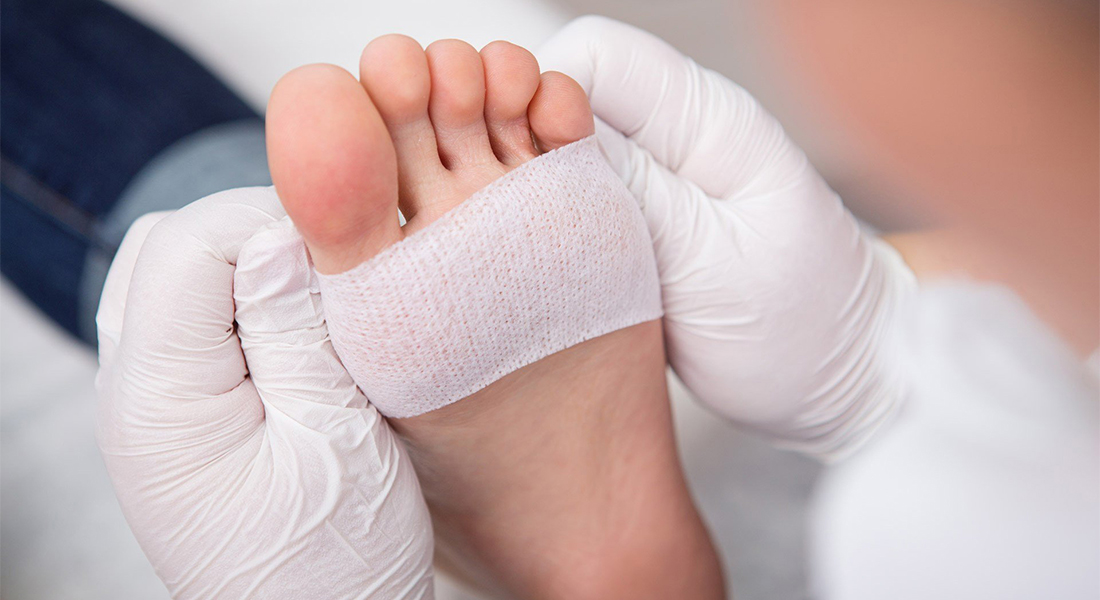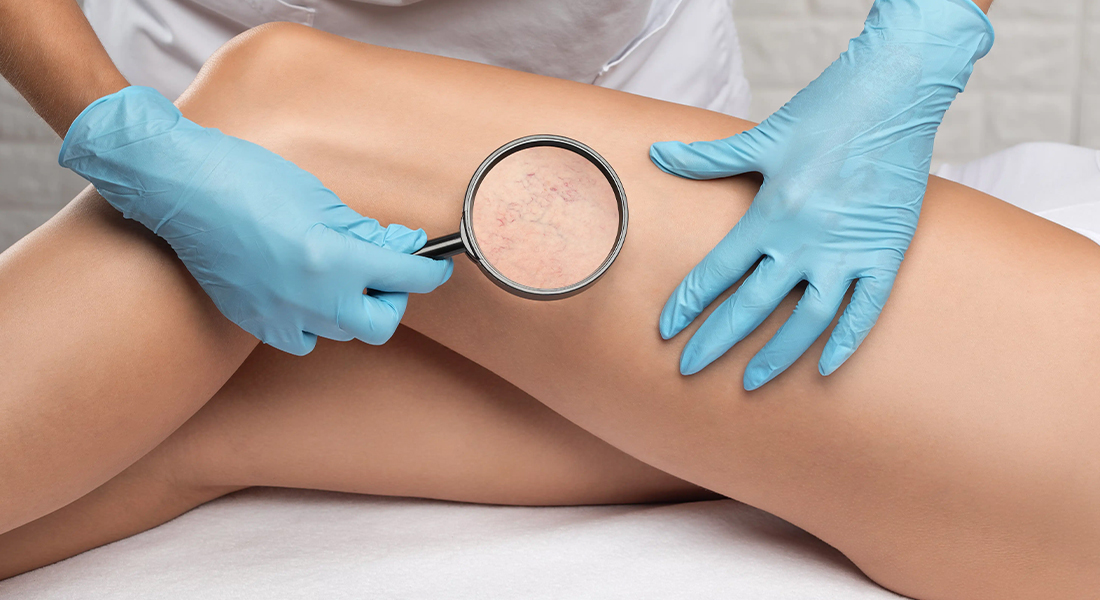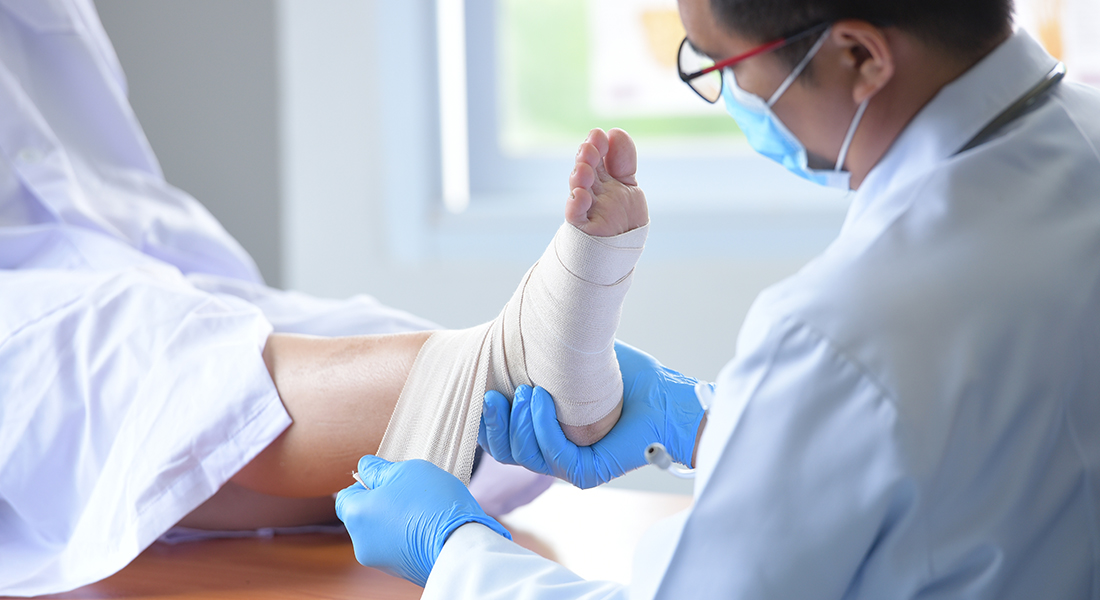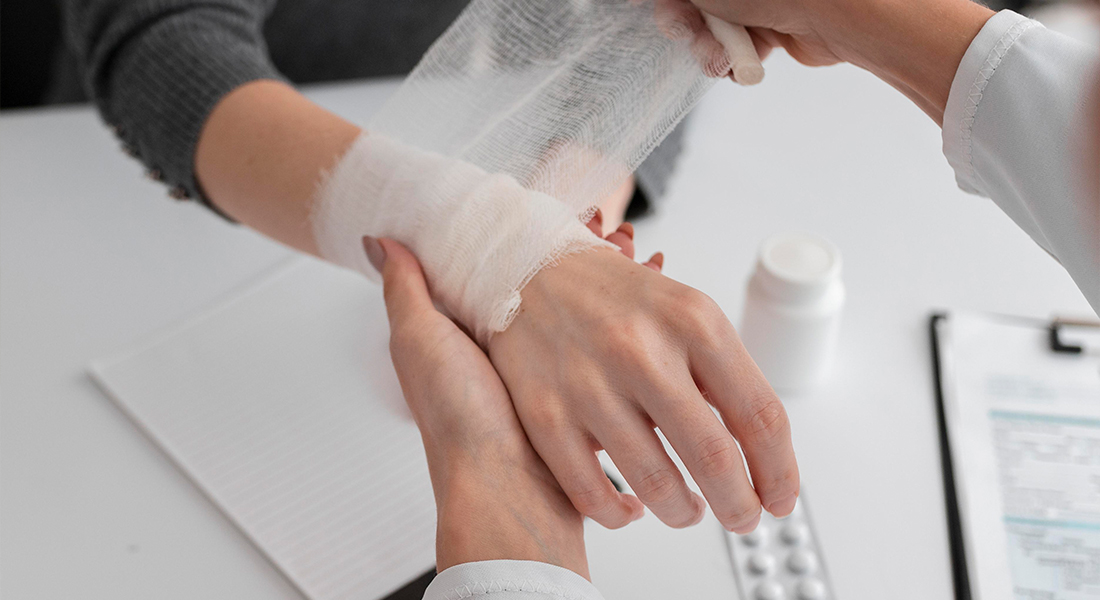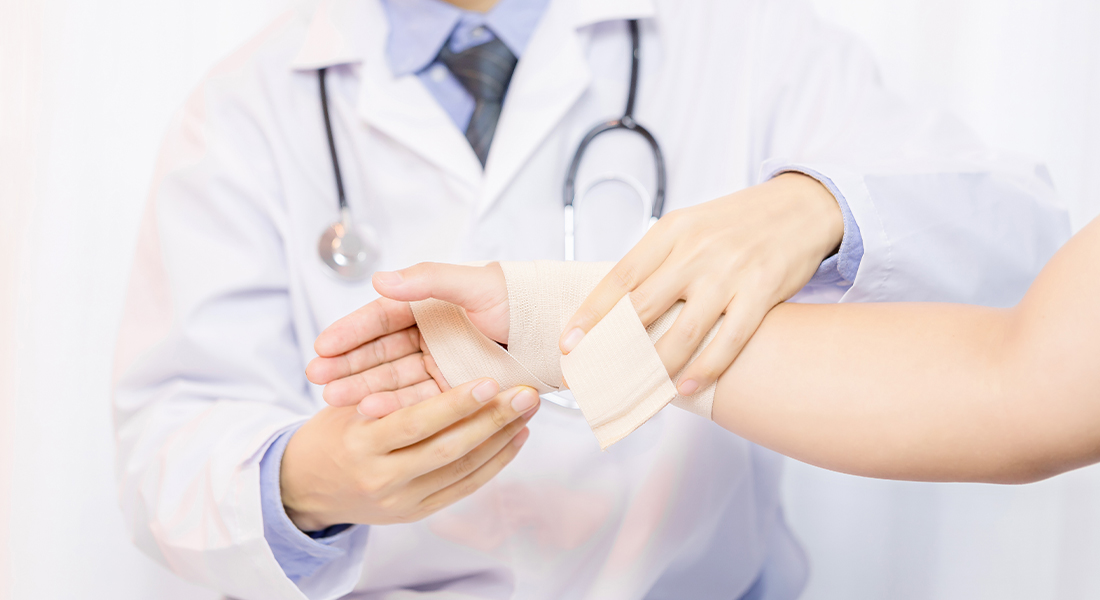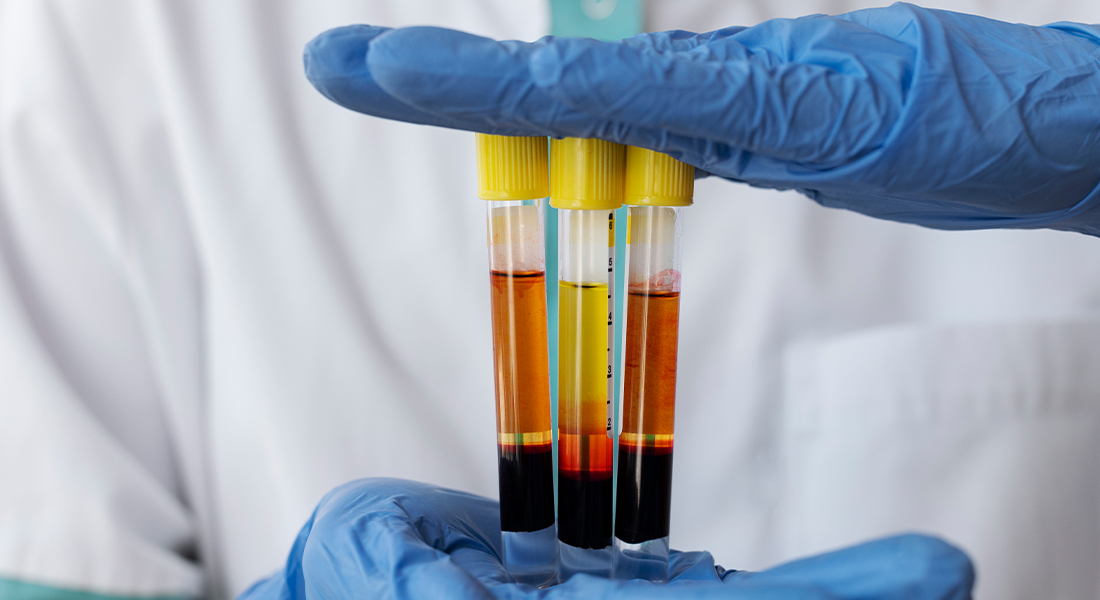
PRP application in wound treatment involves applying platelet-rich plasma obtained from the patient’s own blood to the wound area. PRF is a denser product obtained from the same blood and contains a fibrin network. Both aim to deliver growth factors involved in tissue repair to the wound bed.
What Are PRP and PRF?
Platelets are not only responsible for clotting; they also contain numerous growth factors that help initiate tissue repair. These substances support new blood vessel formation, cell proliferation and collagen production.
PRP (platelet-rich plasma) is produced by centrifuging blood taken from the patient and separating the plasma fraction with a high platelet concentration. It is liquid and can be injected around the wound or applied directly to its surface.
PRF (platelet-rich fibrin) is prepared without anticoagulants. In the resulting product, platelets are trapped within a fibrin network. It has a gel-like structure and may be preferred in some wounds because growth factors are released over a longer period. It can also be formed into a membrane and placed over the wound surface.
How Is It Expected to Work?
- Delivers a high concentration of growth factors to the wound bed
- Supports new blood vessel formation
- Contributes to granulation tissue development
- Stimulates cell migration and proliferation
- Creates a protective biological covering over the wound surface
Which Wounds May Be Considered?
- Diabetic foot ulcers that do not respond adequately to standard treatment
- Long-standing venous ulcers
- Pressure ulcers
- Postoperative wounds with delayed healing
- Superficial but persistent chronic wounds
- Supporting the wound bed before grafting
These applications are considered supportive options rather than replacements for basic wound care. If impaired circulation, infection or dead tissue has not been addressed, the expected response is unlikely to be achieved.
When Are They Not Appropriate?
- Active, uncontrolled wound infection
- Extensive dead tissue in the wound bed
- Severely low platelet count
- Blood disorders and certain coagulation problems
- Active cancer at the application site
- Severely ischemic wounds that have not yet been evaluated
How Is the Procedure Performed?
The wound is assessed first and debridement is performed if necessary. An appropriate amount of blood is then drawn from the patient. The blood is centrifuged in special tubes to separate its layers and obtain the desired product.
Prepared PRP may be injected into the wound edges or applied directly to the wound surface. PRF can be formed into a membrane and placed in the wound bed, then covered with an appropriate dressing.
The procedure is usually performed on an outpatient basis and takes a short time. Frequency depends on the condition of the wound and applications are often repeated at defined intervals.
After the Procedure
- Keep the treated area dry for the recommended period
- Follow dressing-change instructions
- Avoid pressure on the area
- Continue blood glucose control
- Do not smoke
- Seek medical advice if pain, redness or drainage increases
Setting Realistic Expectations
PRP and PRF are supportive methods that may contribute to healing in appropriately selected patients. They are not stand-alone solutions and do not produce the same response in every wound. Outcomes depend on wound duration, circulation, infection status and the patient’s general health. Expectations should therefore be discussed realistically before treatment.
Specialist Evaluation for PRP and PRF
These methods need to be used in the right patient and at the right time. Prof. Dr. Emre Özker first evaluates wound circulation, infection status and whether the wound bed is ready before considering PRP or PRF, and uses them as part of a comprehensive treatment plan.
Preparation Steps
The characteristics of the final product depend on details of preparation. Blood drawn from the patient is placed into special tubes and centrifuged at a defined speed and duration. The blood separates into layers: red blood cells at the bottom, a thin platelet-rich layer in the middle and plasma above.
During PRP preparation, the target layer is carefully separated. Platelet concentration varies according to the system and centrifugation protocol used. In PRF preparation, no anticoagulant is added, so clotting begins naturally and a fibrin network forms.
Maintaining sterile conditions throughout preparation is essential for safety.
Differences Between Product Types
PRP is not a single standardized product; its composition varies with the preparation method.
- Leukocyte-poor PRP: Contains fewer white blood cells and is intended to produce a more limited inflammatory response
- Leukocyte-rich PRP: Contains more white blood cells and may be considered when an antimicrobial contribution is desired
- PRF: Contains a fibrin network, has a gel-like consistency and releases factors over a longer period
- Injectable PRF: A more fluid form of PRF
The form selected depends on wound characteristics and the treatment goal.
Patient Preparation
- Maintain adequate fluid intake before the procedure
- Inform the physician about blood-thinning medications
- Treat active infection first
- Review blood count and other necessary tests
- Ensure appropriate blood glucose control
- Stop smoking
- Discuss expectations clearly before treatment
Use with Other Treatment Methods
PRP and PRF are generally used as part of a comprehensive treatment plan rather than alone. They are often applied after debridement because a clean wound bed is expected to provide better conditions for treatment.
In venous ulcers they are combined with compression therapy, in diabetic foot ulcers with pressure off-loading, and in patients with impaired circulation with vascular treatment. Sequential use with negative pressure wound therapy or tissue equivalents may also be considered.
Ignoring these basic components is one of the most common reasons for not obtaining the expected benefit.
Assessing Treatment Response
Response is monitored with regular measurements. Reduction in wound area, a healthier pink wound bed, less drainage and reduced pain are positive findings.
If no measurable improvement occurs after a defined number of applications, the treatment plan should be reassessed. This helps avoid unnecessary repeated sessions and increasing costs.
Important Limitations
These are supportive therapies. They do not correct poor circulation, treat infection, remove dead tissue or relieve pressure on the wound. Patients should be cautious about promotional claims promising guaranteed results.
Expected Changes After Application
Mild redness or a feeling of fullness can occur in the wound area during the first days after treatment. This is generally considered a temporary response to the applied product.
Changes in the wound itself are not immediate. After several applications, the wound bed may begin to look pinker, drainage may decrease and epithelial tissue may advance from the edges. Expecting a result after a single session is therefore unrealistic.
Cost and Availability
The cost of PRP and PRF varies according to the system used and the number of sessions. Because the product is prepared from the patient’s own blood, there is no need to obtain a donor-derived product.
Expected benefit, planned number of sessions and alternative options should be evaluated together. Using these methods when basic wound care remains incomplete can lead to inefficient use of resources.
Frequently Asked Questions
Is PRP prepared from my own blood?
Yes. It is produced by processing blood taken from the patient, so reactions to a foreign biological substance are not expected in the same way as with donor products.
What is the difference between PRP and PRF?
PRP is liquid and releases growth factors more quickly. PRF contains a fibrin network, has a gel-like structure and provides a more prolonged release. The choice depends on the wound.
How many sessions are needed?
The number varies according to wound condition and response. Treatment is generally repeated at intervals and the wound is reassessed before each session.
Is the procedure painful?
Blood collection is similar to a routine blood test. Mild discomfort may occur with injections around the wound, and local anesthesia can be used when necessary.
Can it be used for every wound?
No. It is not appropriate when there is active infection, extensive dead tissue or unassessed circulatory impairment. These problems should be addressed first.
Can I return to daily activities afterward?
The procedure is usually brief and most patients can return to daily activities the same day. The treated area should not be subjected to pressure and should remain dry for the recommended time.
I use blood thinners. Can I still have the treatment?
Your medications must be reported to your physician. After assessment, a decision is made about whether treatment is appropriate and how medication should be managed.
Can I exercise after treatment?
Activities that do not place pressure or strain on the treated area can often continue. Specific advice depends on wound location.
Can PRP cause an allergy?
Because it is prepared from the patient’s own blood, allergy to a foreign substance is not expected. Temporary redness and tenderness at the application site may occur.
At what stage should PRP be considered?
The appropriate time is after the wound bed has been debrided, infection has been controlled and circulation has been assessed. Using it before these steps are completed is unlikely to provide the expected benefit and may lead to unnecessary repeat sessions.