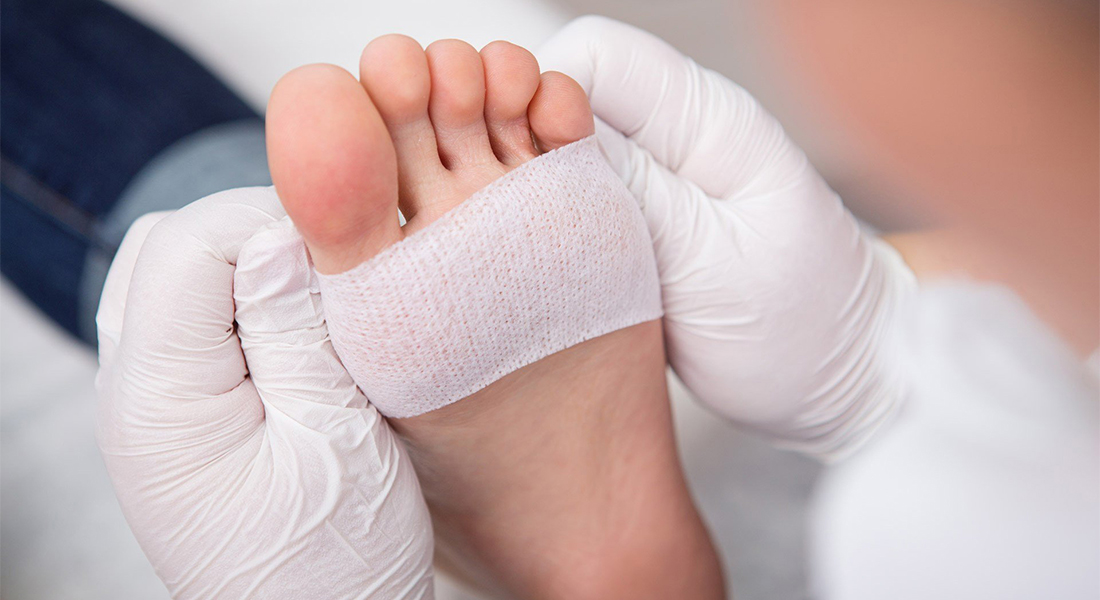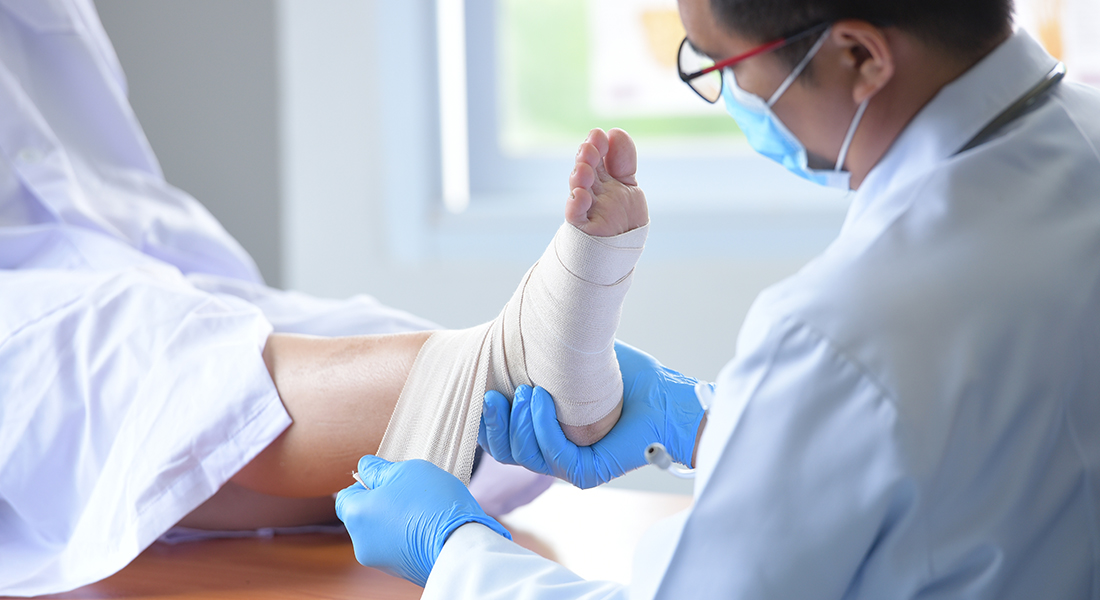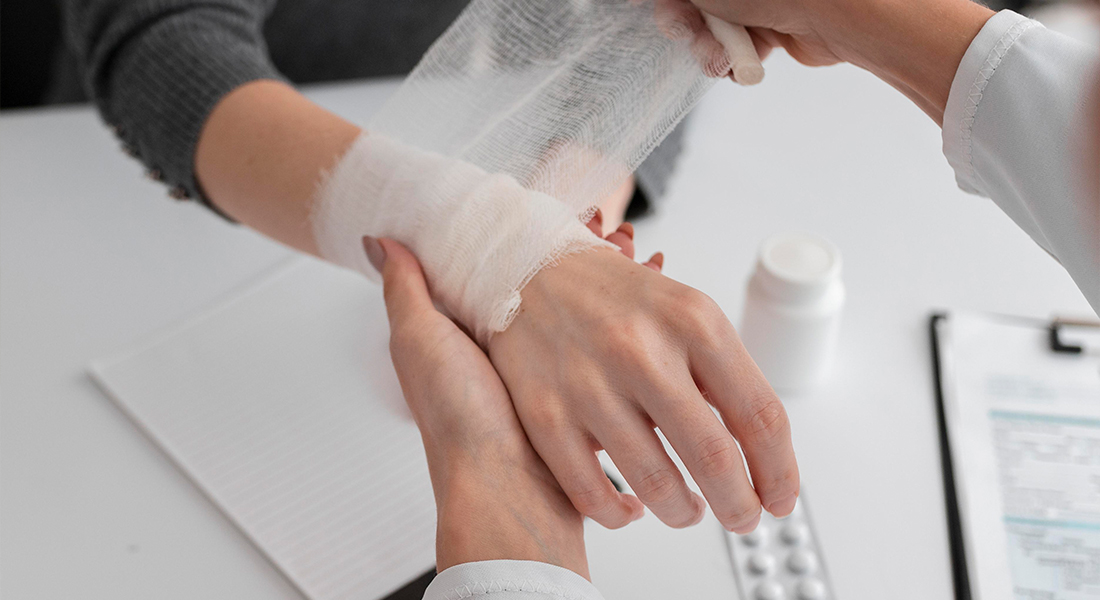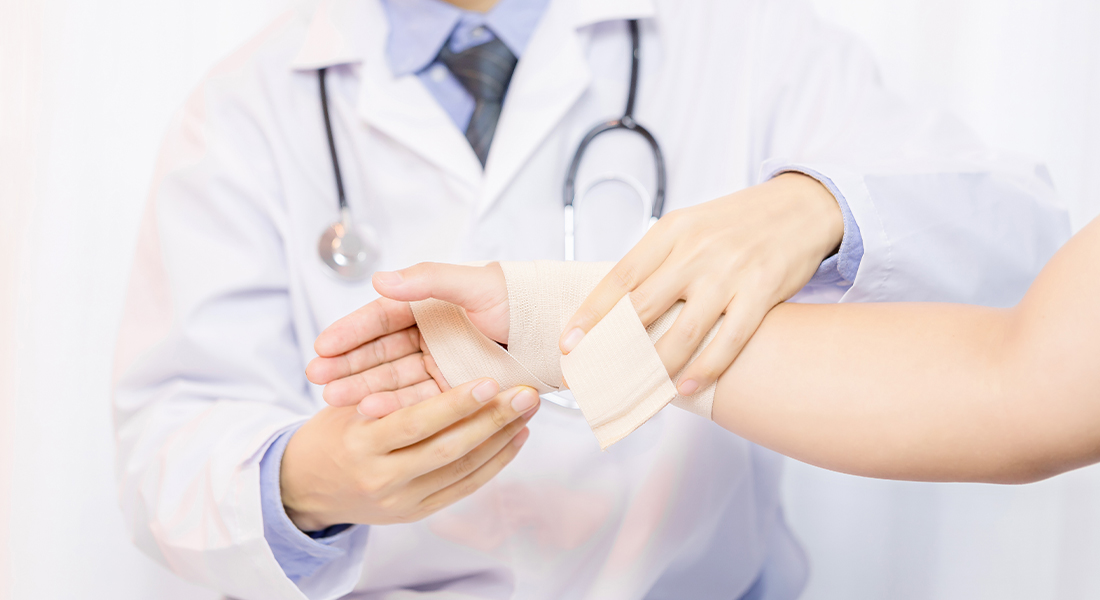
A pressure ulcer is a wound caused by damage to the skin and underlying tissues from prolonged pressure on the same area. It is especially common in people with limited mobility. Regular repositioning, skin protection, adequate nutrition and close monitoring of high-risk areas are important in preventing pressure ulcers.
What Is a Pressure Ulcer?
A pressure ulcer develops when a part of the body is compressed for a prolonged period between a bed, chair or another surface and an underlying bony prominence. Medical literature may also use terms such as pressure injury, decubitus ulcer or bedsore.
Prolonged pressure can compress small blood vessels and reduce blood flow to the tissues. When tissue does not receive enough oxygen and nutrients, persistent redness may develop first, followed by an open wound and deeper tissue damage.
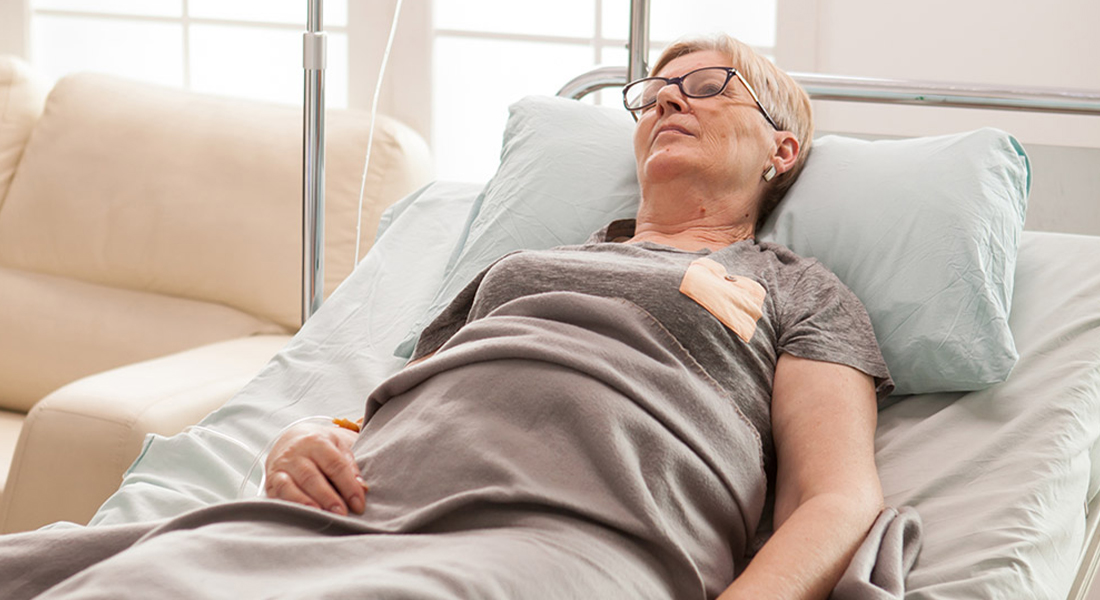
Pressure ulcers do not occur only in people who are bedridden. They can also develop in wheelchair users, people who have difficulty moving or anyone who remains in the same position for prolonged periods. Recognizing risk early and applying preventive measures is therefore important.
Why Do Pressure Ulcers Develop?
The main cause is prolonged pressure on tissue. Additional factors such as friction, shear, moisture and impaired circulation can make tissue more vulnerable.
Prolonged Pressure
When a person remains in the same position for a long time, pressure increases particularly over bony prominences. This can reduce blood flow and gradually lead to tissue damage.
Friction and Shear
Dragging a patient across a bed or allowing the body to slide downward can stretch the skin and deeper tissues in different directions. This may increase the risk of pressure injury.
Moisture
Skin that remains in contact with sweat, urine or stool can become more fragile. Damage to the skin barrier increases the effects of pressure and friction and can contribute to wound formation.
Who Is at Higher Risk?
Reduced mobility is one of the most important risk factors, but overall health also influences wound development.
People who may require closer monitoring include:
- People who remain bedridden for long periods
- Wheelchair users
- People who cannot reposition themselves independently
- Older adults with reduced mobility
- People with paralysis or neurological disease causing movement limitation
- People with loss of sensation
- Patients with inadequate nutrition or fluid intake
- People with diabetes or circulatory problems
- Patients whose skin remains moist because of urinary or fecal incontinence
When several risk factors are present together, the likelihood of a pressure ulcer increases. Skin should therefore be inspected regularly in people with significant mobility limitations.
Where Do Pressure Ulcers Most Commonly Occur?
Pressure ulcers most often develop where bone lies close to the skin. The location depends on the patient’s sitting or lying position.
Common sites include:
- Heels
- Sacrum and buttocks
- Sides of the hips
- Ankles
- Elbows
- Shoulder blades
- Shoulders
- Back of the head
Regularly checking areas such as the heels and sacrum can help detect pressure injury at an early stage.
What Are the Early Signs of a Pressure Ulcer?
A pressure ulcer does not always begin as an open wound. Early signs may include persistent redness or a change in skin color. Recognizing small skin changes early is important.
Warning signs may include:
- Redness over a pressure area that does not fade
- Purple or dark discoloration
- An area that feels warmer or colder than surrounding skin
- Hardening or unusual softness of the skin
- Tenderness or pain
- A blister-like appearance
- Breakdown of skin integrity
- Drainage or foul odor
- Deep tissue loss in advanced cases
If persistent redness is noticed, relieving pressure from the area and evaluating the patient’s condition are important.
How Can Pressure Ulcers Be Prevented?
The primary goal is to prevent any one area from being exposed to uninterrupted pressure for a prolonged period. Skin health, nutrition and regular inspection of high-risk areas are also essential.
Reposition Regularly
People who cannot move independently should be repositioned regularly. There is no single repositioning interval suitable for everyone. A personalized schedule can be created according to the patient’s condition, skin characteristics and support surface being used.
When moving the patient, uncontrolled pulling that creates friction or shear should be avoided.
Protect the Heels and Bony Prominences
Appropriate supports can be used to reduce load on pressure-sensitive areas such as the heels. Any pillow or device used should be checked to ensure that it does not create a new pressure point.
Inspect the Skin Every Day
Skin should be examined regularly in people at risk. The heels, hips, sacrum and elbows should be checked for redness, discoloration or skin breakdown.
If the person cannot inspect their own skin, a family member or caregiver can assist.
Keep the Skin Clean and Dry
Prolonged moisture can weaken the skin barrier. After contact with urine or stool, the skin should be cleaned appropriately and protected from irritation.
Gentle skin-care methods are preferable to harsh rubbing or irritating products.
Assess Nutritional Status
Adequate energy, protein, vitamins, minerals and fluid are important for maintaining tissue integrity and supporting wound healing. In patients with poor appetite, weight loss or malnutrition, medical and nutritional assessment may be helpful.
What Should Be Done at Home if a Pressure Ulcer Develops?
Simply applying a cream or dressing may not be enough when a new wound is noticed. Pressure on the affected area should first be reduced.
Random antiseptics, herbal products or other chemicals should not be applied without medical advice. Some products can irritate healthy tissue and make proper wound assessment more difficult.
The size and depth of the wound, signs of infection and the patient’s general condition should be professionally evaluated. Assessment should not be delayed for wounds that are open, deep, foul-smelling or draining.
How Is a Pressure Ulcer Treated?
Treatment varies according to wound stage, depth, infection status and the patient’s general health. Pressure relief is a central part of care. If pressure continues, treatment applied only to the wound surface may not be sufficient.
The treatment plan may include:
- Relieving pressure from the wound
- Selecting appropriate wound-care and dressing methods
- Removing nonviable tissue when necessary
- Assessing signs of infection
- Supporting nutritional status
- Evaluating circulation
- Considering surgical options for advanced tissue loss
Wound care is not performed with the same product or dressing for every patient. Moisture balance, tissue characteristics, amount of drainage and infection status all influence dressing selection.
Does a Pressure Ulcer Require Surgery?
Not every pressure ulcer requires surgery. Pressure relief and appropriate wound care may be sufficient for superficial wounds, while deeper wounds may require removal of nonviable tissue.
In selected patients with extensive and deep tissue loss, surgical closure may be considered. The decision depends on the wound, infection, circulation, nutritional status and the patient’s general health.
During evaluation by Prof. Dr. Emre Özker, not only the surface appearance but also wound depth, surrounding tissue, circulation and factors that may affect healing can be assessed together.
Why Is Circulation Important in Pressure Ulcer Treatment?
The wound requires adequate blood, oxygen and nutrients to heal. Particularly in foot or leg wounds, accompanying vascular disease can affect recovery.
If the wound is not healing as expected, evaluation should therefore extend beyond the wound surface to the circulation. A combined wound care and vascular surgery perspective may help identify underlying factors more comprehensively in selected patients.
Frequently Asked Questions About Pressure Ulcers
Can a pressure ulcer heal on its own?
Very early pressure-related skin changes may regress if pressure is relieved promptly. Once an open wound develops, professional assessment and appropriate wound care may be needed.
Are a bedsore and a pressure ulcer the same thing?
In everyday language, “bedsore” usually refers to a pressure ulcer. However, pressure ulcers also occur in people who sit for prolonged periods or have limited mobility, not only in bedridden patients.
What should be applied to a pressure ulcer?
There is no single cream or dressing suitable for every wound. The stage, depth, drainage and surrounding tissue should be assessed before choosing a product. Random products are not recommended without medical advice.
How long does a pressure ulcer take to heal?
Healing time depends on wound depth and size, whether pressure has been relieved, circulation, nutrition and the patient’s overall health. There is no single duration that applies to every patient.
How can I tell if a pressure ulcer is infected?
Increasing drainage, foul odor, redness and swelling of surrounding tissue, increasing pain or a change in general condition may indicate infection and should be evaluated promptly.
Can pressure ulcers be prevented?
It is not possible to say that every pressure ulcer can be prevented. However, regular repositioning, pressure relief, skin inspection, appropriate nutrition and an individualized care plan can substantially reduce risk.
When Should Medical Advice Be Sought?
Professional evaluation is important when persistent redness, skin breakdown, tissue loss, foul odor, drainage or increasing wound depth is noticed. Monitoring should be particularly careful in people with diabetes, vascular disease or mobility limitations.
Early recognition, relief of the pressure causing the injury and individualized wound care form the basis of treatment. When a wound has failed to heal for a long time or continues to progress, underlying causes should also be evaluated.
For informative posts from Prof. Dr. Emre Özker about wound care: Visit his Instagram account.